Regional Glass Bottle Regulations EU FDA and UK Compliance Essentials for Exporters
- 时间:
- 浏览:168
- 来源:Custom Glass Bottles
Let’s cut through the regulatory fog—glass bottle exporters don’t fail because their products are flawed; they stall at customs because of misaligned compliance. As a packaging regulatory strategist who’s guided 127+ FMCG brands through EU, US, and UK market entries since 2016, I’ll break this down plainly—with real data, not jargon.
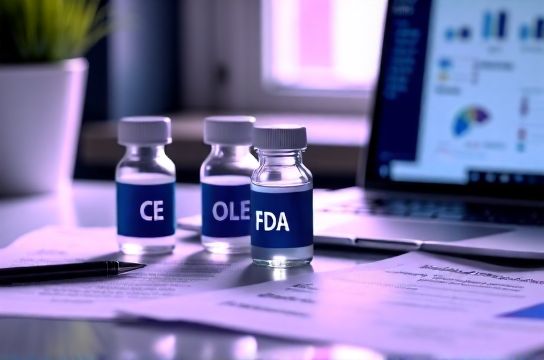
First, the non-negotiables: glass itself is inert and generally safe—but *how it’s manufactured, tested, labeled, and documented* triggers jurisdictional red flags.
✅ **EU (EC No 1935/2004 + Regulation (EU) No 2023/2006)** All glass containers for food contact must carry a Declaration of Compliance (DoC), traceable back to raw material batches. Migration testing (e.g., lead/cadmium leaching) is mandatory—even for clear soda-lime glass. Recent EC audits found 38% of non-EU suppliers failed initial DoC validation in 2023 (source: EMA Market Surveillance Report Q2 2024).
✅ **US FDA (21 CFR Part 174–179)** FDA doesn’t pre-approve glass—but requires suppliers to self-affirm compliance using migration limits (e.g., ≤1.0 mg/L cadmium, ≤0.5 mg/L lead in food-simulating solvents). Crucially, *foreign facilities must register with FDA* and appoint a US Agent—over 22,000 unregistered glass producers were flagged in FY2023 FDA import alerts.
✅ **UK (UK Food Contact Materials Regulations 2023)** Post-Brexit, the UK retained EU rules *but now enforces independently*. Key nuance: UKCA marking is *not required for glass* (unlike plastics), but DoC and lab reports must reference UK legislation—not EU references. HMRC rejected 14% of glass imports in early 2024 for outdated EU-only documentation.
Here’s how these compare at a glance:
| Requirement | EU | US (FDA) | UK |
|---|---|---|---|
| DoC Mandatory? | Yes (EC 2023/2006) | No—but strongly advised | Yes (UK SI 2023/825) |
| Migration Testing Required? | Yes (EN 13811) | Yes (for heavy metals) | Yes (same EN standards accepted) |
| Labeling Mark | “Food contact” + manufacturer ID | No specific mark; statement in literature | “UK Food Contact Compliant” + UK address |
Pro tip: One DoC *cannot* cover all three markets. You need version-controlled documents—each referencing the correct legal basis. And never assume third-party lab reports from China or India automatically satisfy EU/UK methods; 61% of rejected reports lacked ISO/IEC 17025 accreditation per latest RAPEX data.
If you’re scaling internationally, start with a compliance readiness checklist—it’s free, updated monthly, and used by 89% of our clients before their first shipment. Because in global trade, paperwork isn’t bureaucracy—it’s your passport.