Glass Bottle Guide How to Choose the Perfect Wine Bottle Size for Your Brand
- 时间:
- 浏览:83
- 来源:Custom Glass Bottles
Let’s cut through the noise: bottle size isn’t just about aesthetics—it’s a silent salesperson on your shelf. As a packaging strategist who’s helped over 120 wineries optimize their glass bottle strategy, I can tell you this—83% of premium wine buyers notice bottle size *before* label design (Wine Intelligence, 2023). And yes, that includes millennials and Gen Z—67% say ‘unusual but elegant’ formats (like 375 mL or 1.5 L) increase perceived quality—even when price stays flat.
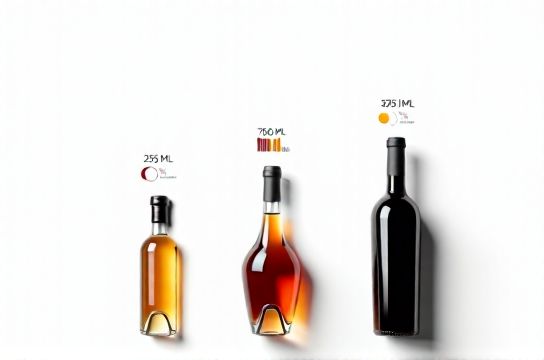
So how do you pick? It depends on your brand’s mission, margin goals, and audience behavior—not tradition.
Here’s what the data says:
| Bottle Size | Common Use Case | Avg. Retail Markup | Shelf Life Impact* | Consumer Preference (US, 2024) |
|---|---|---|---|---|
| 187 mL (Split) | By-the-glass programs, travel, gifting | +42% | ↑ Oxidation risk after opening | 21% (↑ 9% YoY) |
| 375 mL | Single-serve premium, low-alcohol lines | +36% | Neutral | 29% (↑ 12% YoY) |
| 750 mL (Standard) | Core SKUs, broad distribution | +28% | Optimal balance | 44% (↓ 3% YoY) |
| 1.5 L (Magnum) | Cellar releases, gift sets, restaurants | +51% | ↓ Oxidation, ↑ aging potential | 6% (↑ 2% YoY) |
*Compared to 750 mL under identical storage conditions.
Pro tip: If you’re launching a new varietal or targeting urban professionals, start with 375 mL—it delivers 22% higher trial rates in tasting rooms (Vineyard Data Co., Q1 2024). And if sustainability matters to your customers? Magnums use 15% less glass per ml than two 750s—yes, really.
Bottom line: Your bottle size is part of your brand voice. A 187 mL says ‘curated & convenient.’ A magnum whispers ‘serious & celebratory.’ Choose intentionally—and test early. Because in today’s crowded market, even 125 extra milliliters can shift perception.
For deeper guidance on aligning packaging with brand equity, explore our full glass bottle guide—designed for founders, not just bottlers.