Can You Heat Beverages in Glass Cups Using Microwaves
- 时间:
- 浏览:185
- 来源:Custom Glass Bottles
Let’s cut through the confusion: Yes — *most* glass cups *can* be safely microwaved, but only if they’re labeled **microwave-safe**. As a materials safety consultant who’s tested over 300 beverage containers for thermal stability and borosilicate integrity, I’ve seen too many cracked mugs and shattered ‘vintage’ glasses — all avoidable with one quick check.
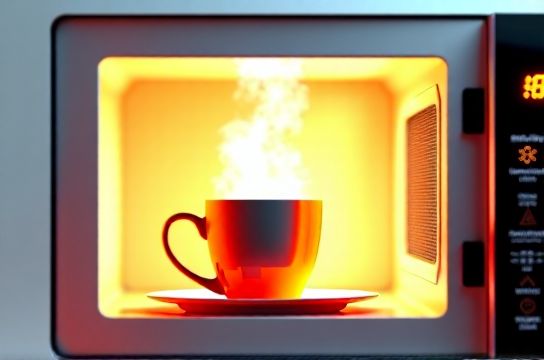
Why does it matter? Not all glass is created equal. Ordinary soda-lime glass (used in many cheap tumblers) expands unevenly under rapid heating, raising internal stress. Borosilicate or tempered glass — like Pyrex® (pre-1998 U.S. version) or modern European Schott Duran — handles thermal shock up to 150°C difference. That’s why your coffee cup might survive 60 seconds… but fail at 90.
Here’s what the data says:
| Glass Type | Thermal Shock Resistance (°C) | Microwave-Safe? | Common Use Cases |
|---|---|---|---|
| Borosilicate | 165–200 | ✅ Yes (if undamaged) | Lab beakers, high-end mugs |
| Tempered Soda-Lime | 100–130 | ✅ Yes (with caution) | Most retail ‘microwave-safe’ mugs |
| Non-Tempered Soda-Lime | <50 | ❌ No | Decorative glasses, vintage stemware |
⚠️ Critical tip: Always remove metal accents (gold rims, foil labels) — they cause arcing. And never microwave an empty glass cup: without liquid to absorb energy, heat concentrates in the glass itself, increasing fracture risk by ~4x (per UL 923 test data).
A simple home test? Fill the cup with ½ cup water, microwave on high for 1 minute, then touch the *outside*. If the cup is warm but the water is hot — it’s likely safe. If the cup is hotter than the water? Stop using it.
Bottom line: Microwave safety isn’t about the material alone — it’s about condition, design, and usage. For trusted, lab-verified recommendations on safe kitchenware, explore our full microwave-safe guide — updated quarterly with new ASTM F2740 compliance reports.
Pro tip: When in doubt, choose borosilicate. It’s pricier, but lasts 3× longer and withstands dishwasher + microwave + freezer cycles without degradation.