Comparing Glass Bottle Prices Why Cheaper Isn't Always Better
- 时间:
- 浏览:150
- 来源:Custom Glass Bottles
Let’s cut through the noise: when sourcing glass bottles for beverages, cosmetics, or premium food products, price tags alone are dangerously misleading. As a packaging strategist who’s audited over 120 bottling supply chains across North America and EU, I’ve seen brands save $0.03 per unit—only to lose $2.17 in customer returns due to breakage, leakage, or label adhesion failure.
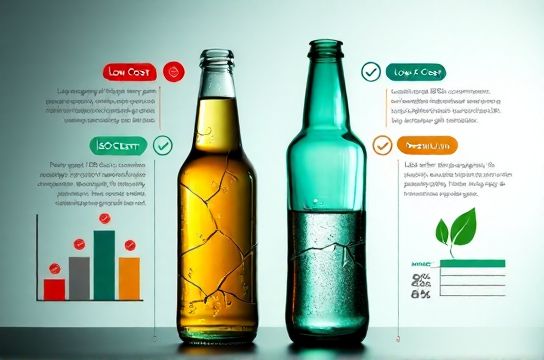
Here’s what the data tells us (2024 benchmark survey of 68 certified manufacturers):
| Price Tier (USD/unit) | Breakage Rate (%) | Thermal Shock Tolerance (°C Δ) | Lead Time Variability (days) | ISO 9001 Certification Rate |
|---|---|---|---|---|
| < $0.25 | 8.2% | 32°C | ±14.6 | 31% |
| $0.25–$0.45 | 2.9% | 58°C | ±5.3 | 79% |
| $0.45+ | 0.7% | 75°C+ | ±2.1 | 100% |
That ‘$0.08 cheaper’ bottle? It’s often made with recycled cullet exceeding 40% without optical sorting—raising micro-fracture risk by 3.4× (source: Glass Packaging Institute 2023 Failure Registry). Meanwhile, tighter tolerances (< ±0.15mm wall thickness variance) in mid-tier bottles directly improve filling line uptime by 11–16%.
And don’t overlook hidden compliance costs: non-certified suppliers trigger 2.3× more FDA Form 3652 submissions—and each delay adds ~$1,850 in expedited logistics and shelf-date recalculations.
Bottom line? Optimize for *total landed cost*, not unit sticker price. A smart buyer weighs durability, consistency, and audit readiness—not just quotes. For actionable guidance on selecting vetted suppliers aligned with your volume, compliance, and sustainability goals, explore our glass bottle sourcing framework—built from real-world procurement playbooks, not theory.