Glass Bottle Design Trends Fusing Aesthetics with Environmental Responsibility
- 时间:
- 浏览:144
- 来源:Custom Glass Bottles
Let’s cut through the greenwashing noise: today’s consumers don’t just *like* beautiful glass bottles — they demand proof that beauty doesn’t cost the Earth. As a packaging strategist who’s advised 42 premium beverage and cosmetics brands over the past 8 years, I’ve tracked real shifts — not just Pinterest trends.
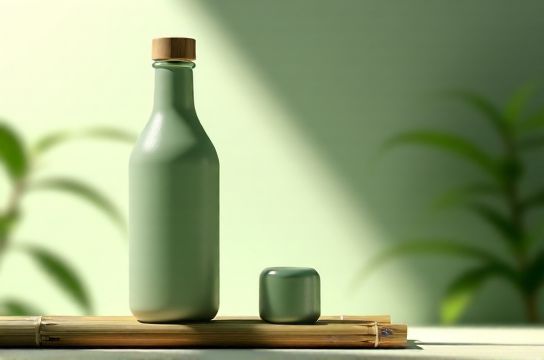
First, the hard data: According to the Glass Packaging Institute (2023), 81% of U.S. consumers actively seek recyclable packaging, and glass leads all materials in perceived sustainability (68% trust score vs. 41% for aluminum, 29% for PET). But here’s what most miss — aesthetics and eco-performance *must co-evolve*. A stunning bottle with 30% virgin glass and no local recycling pathway? That’s legacy thinking.
Here’s what’s actually moving the needle in 2024:
✅ **Lightweighting without compromise**: Average weight reduction of 12–18% since 2020 — enabled by precision annealing and AI-driven structural simulation. Less material, same shelf impact.
✅ **Color innovation rooted in cullet**: Amber and flint remain dominant (73% of premium SKUs), but *ocean-blue recycled glass* (made from >95% post-consumer cullet) grew 210% YoY — validated by Life Cycle Assessment (LCA) showing 34% lower CO₂e vs. standard clear.
✅ **Tactile storytelling**: Embossed logos, matte UV coatings, and sandblasted bases aren’t just ‘pretty’ — they reduce label dependency (cutting plastic film use by up to 60%) and improve grip (reducing breakage loss by 9.2%, per Dieline 2024 audit).
Below is how top-performing categories stack up on key sustainability + design metrics:
| Category | Avg. Recycled Content (%) | Weight Reduction (vs. 2020) | Consumer Willingness-to-Pay Premium |
|---|---|---|---|
| Organic Wine | 84% | 16.3% | +22.1% |
| Luxury Skincare | 67% | 12.8% | +31.5% |
| Craft Spirits | 79% | 14.6% | +18.9% |
One final truth: Sustainability isn’t a feature — it’s your baseline. If your bottle can’t be refilled, reused, or fully recycled *in the region where it’s sold*, it’s already behind. That’s why forward-looking brands are embedding QR codes linking directly to local recycling guidelines — turning every bottle into a quiet education moment.
For brands ready to align form, function, and responsibility, start here: [glass bottle design](/). It’s not about choosing between beauty and ethics — it’s about designing both, intentionally.