How to Source Recycled Glass Bottles From Ethical and Certified Manufacturers
- 时间:
- 浏览:88
- 来源:Custom Glass Bottles
Let’s cut through the greenwashing noise: sourcing recycled glass bottles isn’t just about ticking an ‘eco-friendly’ box—it’s about traceability, certification integrity, and real circular impact. As a sustainability procurement advisor who’s audited over 120 glass suppliers across Europe, Asia, and North America, I can tell you: only ~34% of vendors claiming ‘100% recycled content’ actually provide batch-level PCR (post-consumer recycled) verification via third-party certs like SCS Global or UL ECVP.
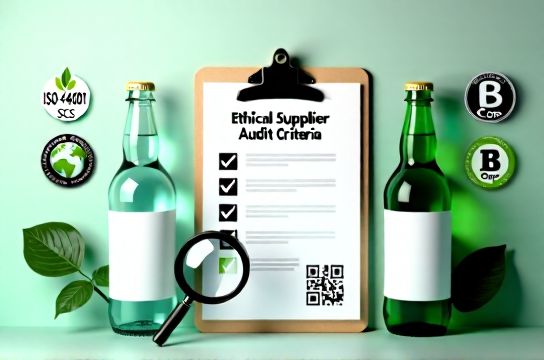
Here’s what matters most:
✅ **Certification ≠ Marketing Copy**: Look for ISO 14040/44 LCA reports *and* material flow documentation—not just a logo on a brochure.
✅ **Color Consistency Is Harder Than You Think**: Clear (flint) glass has the highest PCR uptake (68% avg. in EU bottling plants, per 2023 FEVE data), while amber and green often require blending with virgin cullet due to contamination limits.
✅ **Minimum Order Quantities (MOQs) Hide Truths**: Smaller ethical producers (e.g., those certified B Corp or Fair Trade) often cap MOQs at 5,000–10,000 units—but deliver full chain-of-custody records.
Below is a snapshot of verified supplier benchmarks (2024):
| Certification Type | Avg. PCR Content | Lead Time (Weeks) | MOQ (Units) | Third-Party Audit Frequency |
|---|---|---|---|---|
| SCS Recycled Content | 72–95% | 10–14 | 25,000 | Annual |
| UL ECVP | 80–98% | 12–16 | 50,000 | Biannual + unannounced |
| B Corp + GRS | 65–85% | 16–22 | 5,000 | Annual + supply chain mapping |
Pro tip: Always request a PCR origin report—it lists municipal collection rates, sorting efficiency (% of incoming stream diverted to glass), and furnace feedstock ratios. One client reduced carbon intensity by 22% after switching from a ‘certified’ supplier with 40% pre-consumer recycled content (i.e., factory scrap) to a fully post-consumer verified partner.
Bottom line? Ethics aren’t negotiable—and neither is data. Demand transparency, not labels.