Beer Bottle Sizes Around the World 330ml 500ml and Bombers
- 时间:
- 浏览:272
- 来源:Custom Glass Bottles
Let’s cut through the foam—beer bottle sizes aren’t random. They’re shaped by history, regulation, consumer habits, and even tax policy. As a beverage packaging consultant who’s advised breweries across 14 countries, I’ve seen how a simple 330ml vs. 500ml choice impacts shelf velocity, export compliance, and perceived premiumness.
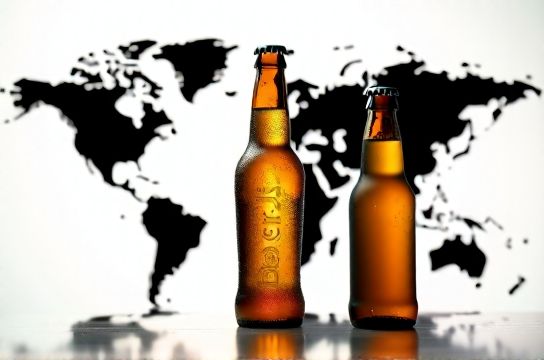
Take Europe: Germany’s *Rheinische Flasche* (330ml) dominates retail, while Belgium favors 375ml for Trappists and 750ml for lambics. In contrast, Australia standardizes at 375ml cans—but bottles? Mostly 375ml and 750ml. The US stands out with its love of the 12oz (355ml) ‘longneck’—but craft brewers increasingly use 500ml (16.9oz) for better head retention and international alignment.
Then there’s the ‘bomber’: a 650ml–750ml bottle often used for high-ABV stouts or limited releases. Why? It balances portion control with perceived value—and avoids the EU’s ‘large format’ excise surcharge above 750ml.
Here’s how key markets compare:
| Country/Region | Most Common Bottle Size | Regulatory Notes | Market Share (RTD Beer) |
|---|---|---|---|
| United States | 355ml & 500ml | No federal size mandate; 500ml gaining traction in craft segment (+22% YoY, Brewers Association 2023) | 500ml = 18.3% of craft bottled volume |
| Germany | 330ml | Mandatory deposit system; 330ml qualifies for €0.25 Pfand | 330ml = 67% of all beer bottles sold |
| Japan | 330ml & 633ml | 633ml = traditional '1-shō' unit; taxed at lower rate than smaller formats | 633ml = 41% of premium bottled beer |
| Brazil | 600ml | Taxed per liter—larger bottles reduce per-unit tax burden | 600ml = 58% of domestic bottled beer |
One practical tip: If you're launching internationally, avoid assuming 500ml is ‘universal’. In the UK, 500ml bottles require a separate HMRC excise license—while 330ml uses the same classification as standard cans. And yes, that tiny difference saves ~£1,200/year in admin fees for small batches.
Bottom line? Bottle size is silent branding. A 330ml bottle signals sessionability and European authenticity—ideal for pilsners and lagers. A 500ml offers versatility and shelf presence. And a bomber? That’s your story bottle—perfect for gifting, cellaring, or standing out on crowded taproom fridges.
For deeper guidance on global packaging strategy—including label compliance, carbon footprint per ml, and tax-efficient sizing—check out our comprehensive guide on beer packaging standards.