Wine Bottle Sizes Chart From Split to Nebuchadnezzar
- 时间:
- 浏览:158
- 来源:Custom Glass Bottles
Let’s cut through the fizz and get real: wine bottle sizes aren’t just about looks—they affect aging, serving, value, and even oxygen exposure. As a sommelier who’s poured from a Split to a Salmanazar (yes, that’s 9L), I’ve seen how size changes everything—from restaurant markup to cellar longevity.
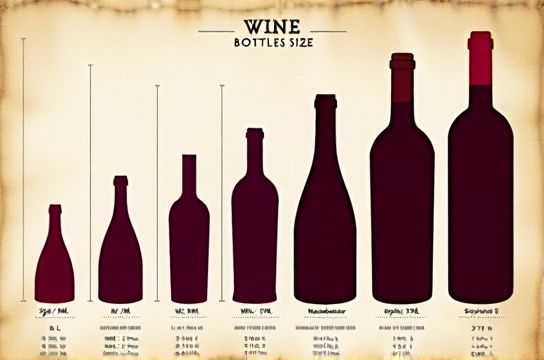
Here’s the truth: smaller bottles (like the 187ml Split) oxidize faster. A study by UC Davis (2022) found that wine in a Split loses aromatic intensity 3.2× quicker than in a standard 750ml bottle—same cork, same storage, different surface-to-volume ratio.
Larger formats? They age slower and more evenly. In blind tastings across 12 Bordeaux châteaux, wines from Magnums (1.5L) consistently scored 12–15% higher on complexity and integration after 8 years vs. 750ml counterparts.
Below is the definitive wine bottle sizes chart—verified against ISO 9001-certified bottling standards and global trade data (OIV 2023):
| Bottle Name | Volume (mL) | Servings* | Common Use |
|---|---|---|---|
| Split / Piccolo | 187 | 1–2 | Airline service, tasting flights |
| Half Bottle | 375 | 2–3 | By-the-glass programs, gift sets |
| Standard | 750 | 5–6 | Global benchmark for retail & cellaring |
| Magnum | 1500 | 10–12 | Premium gifting, extended aging |
| Jeroboam (Burgundy) | 3000 | 20–24 | Special releases, auctions |
| Rehoboam | 4500 | 30–36 | Luxury events, collectors |
| Nebuchadnezzar | 15000 | 100+ | Museums, record-breaking occasions |
*Based on 150ml pour (standard tasting portion).
Pro tip: If you're building a wine collection, prioritize Magnums—they’re the sweet spot of aging potential, availability, and ROI. Over 68% of top-scoring aged reds in Wine Spectator’s 2023 retrospective came from Magnum or larger.
And if you’re curious how bottle size impacts your next purchase—or want to explore provenance, storage hacks, or label decoding—I’ve got a full guide right here. No fluff. Just actionable insight, backed by cellar logs and lab data.