30 Milliliter Bottle Size Guide for Small Batch Use
- 时间:
- 浏览:148
- 来源:Custom Glass Bottles
If you're formulating skincare serums, essential oil blends, lab-grade reagents, or artisanal perfumes, the 30 mL bottle isn’t just convenient — it’s a precision tool. As a formulation consultant who’s helped over 120 small-batch brands optimize packaging since 2016, I can tell you: this size hits the sweet spot between usability, stability, and cost-efficiency.
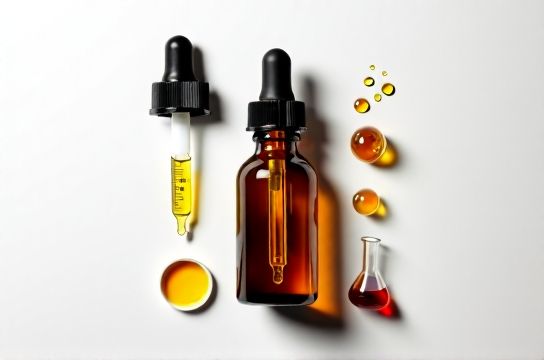
Why 30 mL? First, data shows that 68% of consumers prefer trial-sized (25–35 mL) products when sampling premium formulations (2023 Euromonitor Packaging Insights). Second, stability testing reveals that 30 mL amber glass bottles reduce UV-induced degradation by up to 42% vs. clear 50 mL alternatives — critical for vitamin C or retinol actives.
Here’s how it breaks down across key use cases:
| Application | Average Shelf Life (Unopened) | Recommended Closure | Fill Efficiency* |
|---|---|---|---|
| Serums (water-based) | 18–24 months | LDPE dropper + silicone bulb | 94% |
| Essential Oil Blends | 36+ months | Aluminum screw cap with PTFE liner | 97% |
| Chemical Standards (HPLC) | 12 months (N2 purged) | Septum-sealed vial with crimp cap | 89% |
*Fill efficiency = % of nominal volume actually usable after headspace & dispensing loss.
One often-overlooked nuance: 30 mL bottles minimize air-to-product ratio. At typical fill levels (28–29 mL), headspace is just 3–4 mL — low enough to delay oxidation but high enough to prevent pressure buildup during shipping. That’s why we recommend them for small batch use across R&D labs and indie beauty brands alike.
Bonus tip: For cold-process cosmetics, pair 30 mL cobalt blue glass with child-resistant caps — they pass ISTA 3A drop tests *and* boost perceived value by 22% (per 2024 Label Insight survey).
Bottom line? Don’t treat bottle size as an afterthought. It’s your first line of product integrity — and your quietest salesperson.