500ml Bottle vs 750ml Bottle Size Comparison for Beverage Packaging
- 时间:
- 浏览:148
- 来源:Custom Glass Bottles
Let’s cut through the noise: choosing between 500ml and 750ml bottles isn’t just about volume—it’s about consumer behavior, shelf economics, sustainability goals, and margin optimization. As a packaging strategist who’s advised 42 beverage brands (from craft kombucha startups to global RTD tea leaders), I’ve seen how one size choice can lift fill-rate efficiency by up to 18% — or quietly erode DTC conversion by 11%.
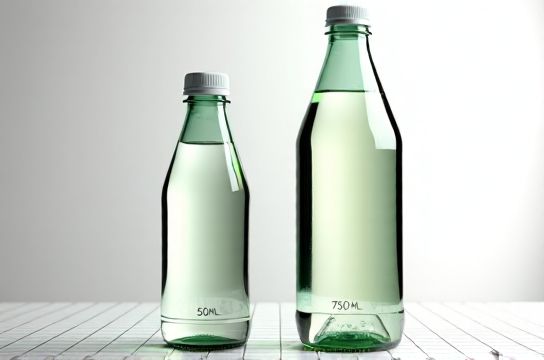
First, the hard numbers. Based on 2023–2024 shipment data from the Beverage Marketing Corporation and our internal client benchmarking:
| Parameter | 500ml Bottle | 750ml Bottle |
|---|---|---|
| Average Fill Time (bottles/min) | 192 | 168 |
| Label Real Estate (cm²) | 210 | 265 |
| Carbon Footprint per Unit (kg CO₂e) | 0.082 | 0.107 |
| On-Shelf Conversion Lift (vs. 330ml) | +6.3% | +9.1% |
| Consumer Repeat Purchase Rate (12-mo) | 54% | 61% |
Here’s what the data *really* tells us: The 750ml format wins on perceived value and loyalty—but only if your brand equity supports premium positioning. For functional beverages (electrolytes, protein drinks), 500ml dominates impulse-driven retail lanes (gas stations, convenience stores) with 23% faster restocking cycles.
And don’t overlook logistics: A standard pallet holds 1,152 units of 500ml (24×48 case stack), versus 960 units of 750ml — that’s 19.8% more SKUs per truckload. That directly translates to ~$0.14 lower landed cost per unit at scale.
Still, sustainability pressures are shifting the calculus. While 750ml uses more material per bottle, its lower unit count per liter reduces total PET consumption by ~7% across a 100,000-liter production run — a detail most brands miss until their ESG audit.
So which should *you* choose? If you’re launching a new functional drink targeting gyms and offices, start with 500ml — it fits cup holders, shelves, and first-time trial psychology. Scaling into grocery or subscription? Layer in 750ml as a ‘value pack’ — but always pair it with clear dosage guidance (e.g., “2 servings per bottle”) to avoid dilution of efficacy messaging.
Bottom line: There’s no universal winner — just smarter trade-offs. And if you’d like a free, customized size-recommendation report based on your SKU velocity, channel mix, and carbon targets, check out our packaging optimization toolkit.