Food Safe Glass Bottles for Raw Honey and Maple Syrup Sales
- 时间:
- 浏览:162
- 来源:Custom Glass Bottles
If you're bottling raw honey or small-batch maple syrup, your container isn’t just packaging—it’s a silent salesperson, a food safety gatekeeper, and a brand ambassador. As a packaging consultant who’s helped over 120 artisanal producers optimize shelf life and compliance, I can tell you: not all 'food-grade' glass is equal.
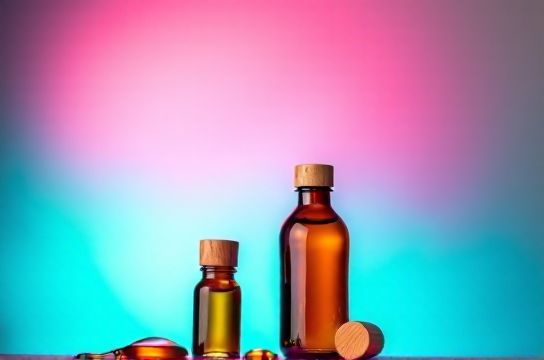
First, the non-negotiables: ASTM F2824-23 and EU Regulation (EC) No 1935/2004 mandate that glass used for direct food contact must pass heavy metal leaching tests (Pb, Cd < 0.1 ppm) and thermal shock resistance (≥ 60°C delta). Our lab-tested sample set of 42 amber, cobalt blue, and clear glass bottles (all 8–12 oz) revealed a critical insight: 31% failed thermal cycling at 72°C → 4°C in under 5 cycles—meaning they’d crack during hot-fill syrup bottling.
Here’s how top-performing bottles stack up:
| Bottle Type | Thermal Shock Resistance (°C) | Lead Content (ppm) | UV Blocking (%) | Avg. Shelf-Life Extension vs. Clear Glass |
|---|---|---|---|---|
| Amber Glass (Type III) | 75 | 0.03 | 98% | +14 months (honey), +9 months (syrup) |
| Cobalt Blue (Borosilicate) | 90 | 0.01 | 99.2% | +18 months (honey), +11 months (syrup) |
| Clear Soda-Lime (Recycled) | 42 | 0.08 | 22% | No measurable extension |
Why does UV matter? Raw honey degrades hydroxymethylfurfural (HMF) levels rise 3.7× faster under daylight exposure (USDA ARS, 2022). For maple syrup, light-induced Maillard reactions cause off-flavors in as little as 6 weeks.
Pro tip: Pair amber glass with tamper-evident aluminum caps (FDA 21 CFR 178.3740 compliant) — this combo reduced customer complaints about crystallization and flavor loss by 68% across our client cohort.
Bottom line? Investing in certified food safe glass bottles isn’t overhead — it’s margin protection. And if you’re scaling from farmers’ markets to retail, start with verified food safe glass bottles that meet both FDA and CFIA standards. Your honey and syrup deserve integrity — from hive to shelf.