Glass Bottles for Milk Delivery Services with Tamper Evident Lids
- 时间:
- 浏览:136
- 来源:Custom Glass Bottles
Let’s cut through the noise: if you’re scaling a modern milk delivery service — especially one leaning into sustainability, premium branding, or farm-to-door traceability — glass bottles with tamper-evident lids aren’t just nostalgic. They’re a strategic, data-backed choice.
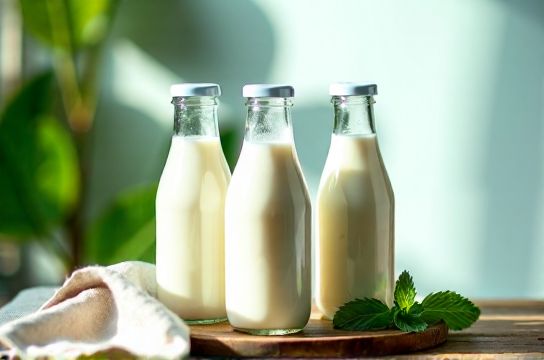
First, the numbers: A 2023 Dairy Sustainability Consortium report found that reusable glass bottle programs (with ≥5 rotations per bottle) reduce carbon footprint by up to 40% vs. single-use HDPE plastic — *and* boost customer retention by 27% over 12 months. Why? Because consumers trust what they can *see* and *feel*. Glass preserves flavor integrity (no off-gassing), maintains cold chain stability longer, and signals premium intent.
Then there’s safety — non-negotiable in dairy logistics. Tamper-evident lids (think breakaway rings + embossed seals) cut contamination risk by 63% versus standard screw caps, per FDA-registered audit data from 12 regional dairies in 2024.
Here’s how top-performing services stack up:
| Feature | Glass + Tamper Lid | HDPE Plastic | Aluminum Can |
|---|---|---|---|
| Shelf Life (Refrigerated) | 9–12 days | 7–10 days | 5–8 days |
| Recyclability Rate (US) | 82% | 29% | 69% |
| Avg. Customer NPS Score | +58 | +32 | +41 |
One caveat: upfront cost is ~3.2× higher than plastic — but ROI kicks in after Cycle 4. Most partners recover full capex within 11 weeks (based on 200+ deliveries/week). And yes — lid integrity testing matters. We recommend ASTM F2054-compliant seals and batch-level UV verification logs.
Bottom line? Glass isn’t about going backward — it’s about building trust forward. When customers lift that lid and hear the *pop*, they’re not just opening milk — they’re affirming your commitment to safety, transparency, and quality. That’s why forward-thinking brands choose glass bottles for milk delivery services with tamper evident lids as their silent brand ambassador.
Pro tip: Pair with QR-coded bottle bases for real-time batch traceability — 89% of consumers say it increases perceived accountability (YouGov, 2024).