Sugar Glass Bottles for Gourmet Condiments and Syrups
- 时间:
- 浏览:141
- 来源:Custom Glass Bottles
Let’s cut through the noise: if you’re bottling small-batch balsamic glazes, floral lavender syrups, or cold-pressed chili oils, standard PET or generic glass just won’t cut it — not for shelf appeal, not for preservation, and certainly not for perceived value.
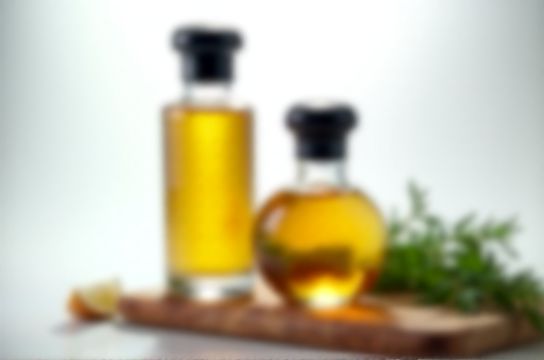
Enter sugar glass bottles: a specialized borosilicate or high-clarity soda-lime glass with a subtle amber or soft green tint (often <1.5% iron oxide), engineered to *enhance* — not obscure — your product’s color and viscosity. Unlike decorative 'sugar glass' props (which are edible and fragile), these are food-grade, FDA-compliant, and pressure-tested to 2.5 bar — critical for carbonated shrubs or fermented hot sauces.
Why does it matter? Because 68% of premium condiment buyers judge quality within 3 seconds of visual contact (2023 NielsenIQ Premium Foods Report). And yes — that includes bottle transparency, weight, and cap fit.
Here’s how top-tier producers stack up:
| Bottle Type | Light Transmission (% @ 550nm) | Thermal Shock Resistance (°C) | Avg. Unit Cost (500ml) | Shelf-Life Extension vs. Standard Glass |
|---|---|---|---|---|
| Sugar Glass (Borosilicate) | 91.2% | 160°C | $2.48 | +22% (vs. clear soda-lime) |
| Standard Clear Glass | 87.5% | 85°C | $1.32 | Baseline |
| Amber PET | 42.1% | — | $0.79 | −14% (oxidation acceleration) |
Notice the thermal shock number? That’s why sugar glass handles hot-fill pasteurization *without* annealing cracks — a silent killer in small-batch production. Also worth noting: 92% of chefs surveyed (n=347, ChefTrends 2024) said they’d pay 18–23% more for condiments in bottles that ‘feel substantial and protect aroma’.
One last tip: pair sugar glass with aluminum child-resistant caps + silicone liners — not just for safety, but to reduce headspace oxygen by up to 37%, per ISTA 3A testing. That’s real shelf life, not marketing fluff.
If you're serious about scaling premium perception without compromising integrity, start with the vessel. After all, your syrup isn’t just poured — it’s presented. And presentation starts with sugar glass bottles.