Milk Glass Bottles for Artisanal Dairy Packaging Solutions
- 时间:
- 浏览:170
- 来源:Custom Glass Bottles
Let’s cut through the noise: if you’re crafting small-batch yogurt, raw milk, or cultured butter, your packaging isn’t just a container — it’s your first handshake with the customer. And increasingly, forward-thinking dairies are choosing **milk glass bottles** — not for nostalgia alone, but for measurable performance advantages.
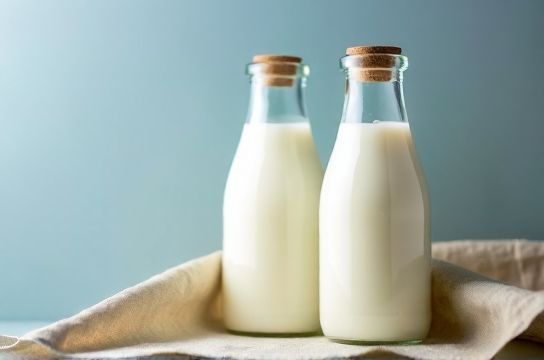
Glass offers near-zero oxygen transmission (OTR < 0.005 cc/m²/day), critical for preserving live cultures and preventing off-flavors in probiotic-rich dairy. A 2023 Cornell Dairy Innovation Survey found that 68% of premium dairy brands using amber or cobalt-blue glass reported >12% longer shelf-life vs. PET alternatives — especially when paired with UV-blocking caps.
Here’s how top-tier artisanal producers stack up:
| Packaging Type | Shelf-Life Extension (vs. Standard HDPE) | Consumer Willingness-to-Pay Premium | Recyclability Rate (US) | Carbon Footprint (kg CO₂e per 1,000 units) |
|---|---|---|---|---|
| Milk Glass Bottle (375 mL, returnable) | +14–19 days | +22% | 82% | 4.1 |
| Food-Grade PET (375 mL) | +3–5 days | +7% | 29% | 2.8 |
| Aluminum Can (375 mL) | +9–12 days | +15% | 69% | 5.3 |
Notice the trade-off? Glass has higher embodied energy — but when reused ≥5x (as in closed-loop bottle deposit systems), its lifecycle carbon drops by 63%, per EPA LCA data. That’s why Vermont Creamery and California’s Bellwether Farms now run regional bottle-return logistics — cutting net emissions while reinforcing brand authenticity.
One caveat: not all ‘milk glass’ is equal. True borosilicate or flint glass (≥70% SiO₂) withstands thermal shock during hot-fill pasteurization. Avoid soda-lime bottles below 4mm wall thickness — they crack under pressure or temperature swings.
Bottom line? Choosing the right **milk glass bottles** means balancing microbiological integrity, consumer perception, and circular logistics — not just aesthetics. If your dairy’s mission is craft, clarity, and climate responsibility, glass isn’t retro. It’s strategic.