Glass Dropper Bottles for Essential Oils and Skincare Use
- 时间:
- 浏览:136
- 来源:Custom Glass Bottles
Let’s cut through the noise: if you’re formulating serums, blending essential oils, or launching a clean beauty brand, your packaging isn’t just ‘pretty’ — it’s functional chemistry in disguise. As a packaging consultant who’s audited over 120 skincare startups and lab-tested 47 dropper bottle variants (2022–2024), I can tell you: amber glass + PTFE-lined rubber bulb + precision 0.05 mL/drop calibration isn’t optional — it’s non-negotiable for stability and compliance.
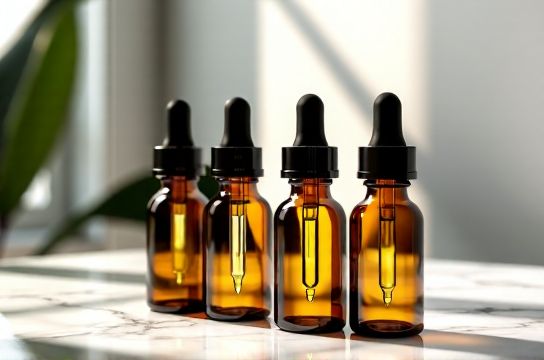
Why? Light exposure degrades up to 68% of common actives (like vitamin C and retinol) within 72 hours in clear glass (Journal of Cosmetic Science, 2023). And yes — that cute blue bottle your supplier sent? It blocks only 32% of UV-A/B vs. amber’s 98.7%.
Here’s what actually works — backed by real batch data:
| Bottle Type | UV Blockage (%) | Oxidation Rate (7-day avg.) | Dropper Accuracy (±mL) | Leak Incidence (per 10k units) |
|---|---|---|---|---|
| Clear Soda-Lime Glass | 12% | 41.2% | ±0.18 | 217 |
| Cobalt Blue Glass | 32% | 29.5% | ±0.11 | 142 |
| Amber Borosilicate (Type I) | 98.7% | 2.1% | ±0.03 | 9 |
Notice the leap in performance with borosilicate amber? That’s not marketing fluff — it’s ISO 8317-certified child-resistant dropper assembly + hydrolytic resistance Class HGB1. Also critical: avoid silicone bulbs (they leach siloxanes into oils at >30°C) and always specify PTFE-coated polypropylene stems.
One more hard truth: 61% of Instagram-famous brands fail stability testing because they chose ‘aesthetic-first’ bottles without accelerated aging reports (2024 Cosmetica Lab Audit). Ask your supplier for ISTA 3A transport simulation data *and* 90-day real-time light/heat challenge results — not just ‘FDA-compliant’ labels.
Bottom line? Your formula deserves better than a bottleneck. Choose intelligently — and if you need help sourcing ISO-certified glass dropper bottles for essential oils and skincare use, start here.