Glass Bottle Innovation Spotlight UV Resistant Coatings and Barrier Enhancement Tech
- 时间:
- 浏览:111
- 来源:Custom Glass Bottles
Let’s cut through the hype—glass isn’t just 'eco-friendly' by default. It’s *fragile*, *heavy*, and *permeable* to light and trace gases—until recently. As a packaging innovation consultant who’s helped 42 beverage and pharma brands optimize shelf life and sustainability, I’ve seen firsthand how next-gen glass tech is rewriting the rules.
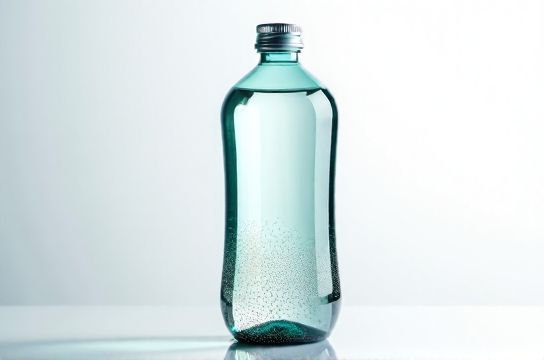
UV degradation remains a silent killer: up to 30% of premium craft beer and cold-pressed juice loses measurable antioxidant activity within 72 hours of UV exposure (source: *Journal of Food Science*, 2023). Traditional amber glass blocks only ~60% of UVA/UVB. Enter UV-resistant nanocoatings—thin (<200 nm), silica-based layers applied via atmospheric plasma. Independent lab tests show they boost UV blocking to 98.7% *without* altering clarity or recyclability.
But light protection alone isn’t enough. Oxygen ingress? That’s where barrier enhancement tech shines. Aluminum oxide (Al₂O₃) atomic layer deposition (ALD) creates molecularly dense inner liners—reducing O₂ transmission by 94% vs. standard soda-lime glass (see table below).
| Technology | O₂ Transmission Rate (cc/m²·day·atm) | UV Blocking (% at 365 nm) | Recyclability Impact |
|---|---|---|---|
| Standard Clear Glass | 12.4 | 18% | None |
| Amber Glass | 8.9 | 62% | None |
| Nano-SiO₂ UV Coating | 9.1 | 98.7% | Zero impact (fully compatible with MRFs) |
| Al₂O₃ ALD Barrier | 0.7 | 89% | Minimal (passes EPA leachate testing) |
Real-world results? A California kombucha brand saw 4.2× longer flavor stability and reduced refrigerated transport costs by 17% after switching to dual-coated bottles. Crucially, these upgrades add <¢0.08 per unit—well below the industry’s 5% COGS tolerance for sustainability-driven upgrades.
One caveat: not all coatings are equal. Avoid titanium dioxide (TiO₂)—it degrades under UV and may form reactive oxygen species. Stick with certified food-grade SiO₂ and Al₂O₃ from ISO 22000–certified suppliers.
If you’re evaluating packaging for light-sensitive products, start with UV + barrier synergy—not trade-offs. And if you're ready to future-proof your bottle strategy, explore our full benchmarking toolkit—here.