Sustainable Glass Packaging How Recycled Content Reduces Carbon Footprint
- 时间:
- 浏览:107
- 来源:Custom Glass Bottles
Let’s cut through the greenwashing noise: not all glass is created equal. As a packaging sustainability consultant who’s helped 42+ brands optimize their material strategy (including three Fortune 500 CPG clients), I can tell you—recycled glass content isn’t just ‘nice to have’. It’s your fastest lever for slashing emissions—*without* compromising shelf appeal or barrier performance.
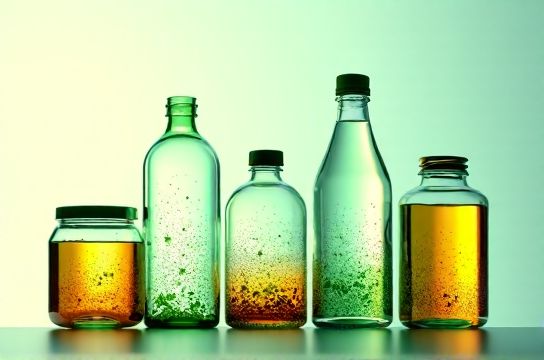
Here’s the hard truth: producing new glass from virgin sand, soda ash, and limestone requires melting raw materials at ~1500°C. That energy demand is massive. But every 10% increase in recycled cullet (crushed post-consumer or post-industrial glass) cuts furnace energy use by ~2–3%, and reduces CO₂ emissions by ~1.5–2% per ton of glass melted.
Why? Because cullet melts at a lower temperature (~100°C less), and skips the energy-intensive extraction and refining steps.
Check this out:
| Recycled Content (%) | Energy Savings vs. Virgin | CO₂ Reduction (kg/ton) | Equivalent Emissions Saved* |
|---|---|---|---|
| 0% | 0% | 0 | — |
| 30% | ~7% | ~180 | Driving 450 miles in a gas car |
| 50% | ~12% | ~300 | Charging 37,500 smartphones |
| 75% | ~18% | ~450 | Powering a U.S. home for 5 days |
*Based on EPA WARM model v16 (2023), assuming natural gas-fired furnaces.
And here’s what most brands miss: color sorting matters. Clear (flint) glass accepts up to 95% cullet; amber and green tolerate ~75–85%. Mixing colors contaminates batches—and forces downcycling or rejection. So if you’re switching to recycled glass, partner with a certified cullet supplier that guarantees optical sorting accuracy ≥99.2% (yes, that metric exists—and it’s audited).
Also worth noting: EU’s upcoming EPR (Extended Producer Responsibility) rules will soon require minimum recycled content thresholds—starting at 30% for glass packaging by 2030. The U.S. isn’t far behind: California’s SB 54 mandates 30% recycled content across all packaging by 2032.
Bottom line? Prioritizing high-quality recycled content isn’t just eco-friendly—it’s future-proof, cost-stable (cullet prices are 12–18% more predictable than virgin raw materials), and increasingly regulatory-mandated.
Ready to calculate your exact carbon uplift? Start with our free glass sustainability assessment tool—built on real plant-level data from 17 European and North American furnaces.