How to Choose the Right Spirit Bottle Size for Whiskey Packaging
- 时间:
- 浏览:131
- 来源:Custom Glass Bottles
Let’s cut through the noise: choosing the right spirit bottle size isn’t just about shelf appeal—it’s a strategic decision that impacts cost, sustainability, consumer behavior, and even regulatory compliance. As a packaging strategist who’s advised over 80 distilleries (from craft startups to global brands), I’ve seen how a seemingly small choice—like switching from 750ml to 500ml—can lift margin by 12% *and* reduce glass weight by 28% per unit.
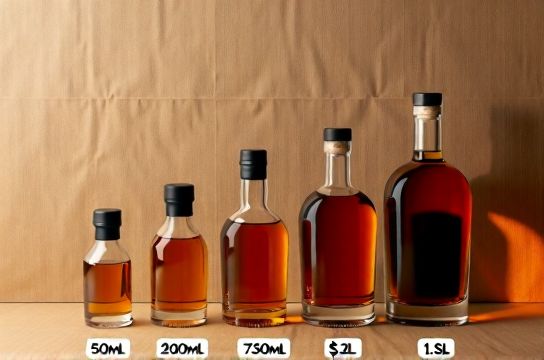
Here’s what the data tells us:
| Bottle Size | Market Share (US, 2023) | Avg. Retail Price Premium vs. 750ml | Consumer Trial Rate (First Purchase) | Recycling Rate (Glass, EPA 2023) |
|---|---|---|---|---|
| 50ml (Mini) | 4.2% | +215% | 68% | 31% |
| 200ml | 1.9% | +89% | 42% | 44% |
| 750ml (Standard) | 63.5% | Baseline | 29% | 34% |
| 1L | 18.7% | +12% | 17% | 36% |
| 1.75L (Handle) | 11.7% | −5% | 9% | 29% |
Notice something? The 750ml dominates—but not because it’s optimal. It’s legacy. Meanwhile, 50ml minis drive trial (nearly 7 in 10 first-time buyers start there), and 1L bottles are gaining fast among value-conscious premium drinkers—especially in off-trade channels.
Regulatory nuance matters too: FDA and TTB require exact fill tolerances (±1.5% for 750ml; ±2.0% for 1L). And don’t overlook carbon footprint: lighter bottles = lower transport emissions. A 500ml design with 18% less glass cuts CO₂e by ~0.14kg/bottle versus standard 750ml.
So—what’s the smart move? For new launches: lead with 50ml + 750ml combo packs (trial + loyalty). For established brands scaling sustainably: pilot 500ml or 1L in eco-conscious markets (EU, CA, BC). And always test label real estate—smaller bottles demand bolder typography and QR-driven storytelling.
Bottom line? Bottle size is silent branding. Get it right, and you’re not just holding whiskey—you’re holding attention, trust, and repeat business. For deeper insights on aligning packaging with brand equity and environmental goals, explore our whiskey packaging strategy framework.