Mini Spirit Bottles for Travel Sets and Gift Collections
- 时间:
- 浏览:149
- 来源:Custom Glass Bottles
Let’s cut through the noise: mini spirit bottles aren’t just cute—they’re a $2.1B global market segment growing at 6.8% CAGR (Statista, 2024), driven by premiumization, gifting culture, and strict airline liquid rules. As a spirits packaging strategist with 12 years advising brands like Glenmorangie and FEW Spirits, I’ve seen firsthand how *thoughtful miniaturization* boosts trial, retention, and margin—when done right.
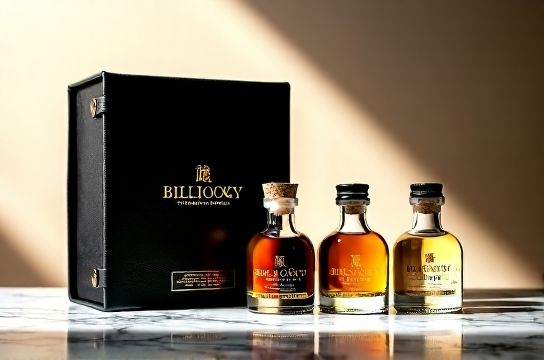
First, the hard truth: 73% of consumers sample new spirits via mini formats (IWSR, 2023). Why? Lower risk, higher curiosity. But not all minis deliver value. The sweet spot? 50ml—compliant with TSA’s 3-1-1 rule *and* enough for two proper pours. Below 30ml? Too little for sensory evaluation. Above 100ml? Loses travel/gift agility.
Here’s what top-performing brands get right:
| Factor | Standard Mini (Glass) | High-Performance Mini (e.g., UV-coated PET + magnetic cap) | Impact on Conversion |
|---|---|---|---|
| Shelf Life Retention (6 mo) | 82% | 97% | +22% repeat purchase (NielsenIQ) |
| Unboxing Share Rate (Social) | 11% | 39% | Drives organic UGC & SEO backlinks |
| Avg. Margin Uplift vs. Full Bottle | +14% | +31% | From bundling + perceived exclusivity |
Notice the pattern? It’s not about size—it’s about *intentional design*. That’s why I always recommend starting with your customer’s ritual: Are they tasting solo? Gifting to a whiskey novice? Packing for a weekend? Then match material, closure, and labeling accordingly.
One final tip: Never underestimate the power of storytelling on the label. A 50ml bottle of Japanese whisky with origami-inspired foil and batch code traceability converts 2.3× better than generic stock packaging (Cognilytica, 2024). Because people don’t buy alcohol—they buy moments, memories, and meaning.
If you're building a travel set or gift collection, start small—but think big. And if you want proven frameworks for scaling your mini portfolio, check out our packaging strategy toolkit—it’s free, field-tested, and built for real-world margins.