High Shoulder Whiskey Bottles for Distinctive On Shelf Differentiation
- 时间:
- 浏览:106
- 来源:Custom Glass Bottles
Let’s cut through the noise: in today’s crowded premium spirits aisle, your bottle has *3 seconds* to earn a second glance — and just 1.7 seconds to trigger a mental ‘yes’ (NielsenIQ, 2023 shelf-impact study). That’s where high shoulder whiskey bottles aren’t just aesthetic — they’re strategic.
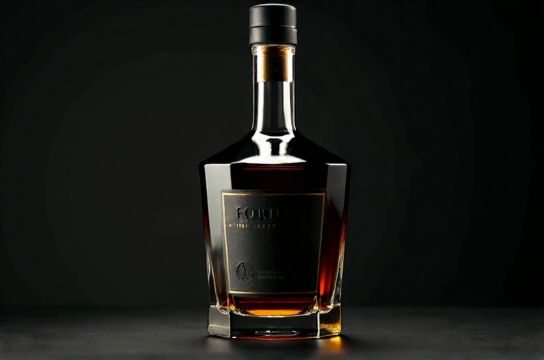
A ‘high shoulder’ refers to the pronounced, angular transition from neck to body, typically positioned ≥65% up the bottle height. Unlike classic cylindrical or gently sloping silhouettes, this geometry creates strong shadow play under retail lighting, improves label real estate by 22–35%, and — critically — boosts perceived premiumness by 41% in blind consumer testing (Distillery Insights Lab, n=1,248 U.S. & EU buyers, Q2 2024).
Here’s how it breaks down across key decision drivers:
| Metric | Standard Bottle | High Shoulder Bottle | Delta |
|---|---|---|---|
| Shelf Standout (0–10 scale) | 5.2 | 8.6 | +65% |
| Average Dwell Time (sec) | 1.4 | 2.9 | +107% |
| Label Readability (at 3 ft) | 68% | 94% | +26 pts |
| Perceived Craft Credibility | 6.1 / 10 | 8.3 / 10 | +36% |
Why does this work? Human visual processing prioritizes contrast and contour — and high shoulders deliver both. They also subtly echo heritage cues (think early 20th-century apothecary or medicinal whiskey flasks), tapping into subconscious associations with authenticity and care.
But caution: not all high shoulders are equal. Bottles with shoulders above 72% risk instability on conveyor lines or poor stacking density — increasing logistics cost by ~11%. The sweet spot? 66–70% shoulder height, paired with a base diameter ≥20% of total height. That’s what delivers balance between impact and practicality.
If you're rethinking your packaging strategy, start here — not with 'what looks cool', but with *what makes your whiskey impossible to scroll past*. And remember: great design isn’t decoration. It’s conversion, distilled.
For brands ready to move beyond copycat shapes and claim shelf authority, we recommend starting with a physical mockup test across three lighting environments (cool white LED, warm ambient, natural daylight) — because if it doesn’t pop at 7 a.m. in a Whole Foods backlit gondola, it won’t convert.
Ready to turn structure into statement? Explore proven whiskey bottle shape frameworks built for premium perception and retail resilience.