Glass Bottles for Non Alcoholic Spirits With Premium Label Compatibility
- 时间:
- 浏览:107
- 来源:Custom Glass Bottles
Let’s cut through the noise: if you’re launching or scaling a non-alcoholic spirit brand, your bottle isn’t just packaging — it’s your first handshake with the customer. And glass? Still king. But not all glass bottles play nice with premium labels — especially matte foils, embossed sleeves, or biodegradable adhesives that demand precise surface energy and neck-to-shoulder consistency.
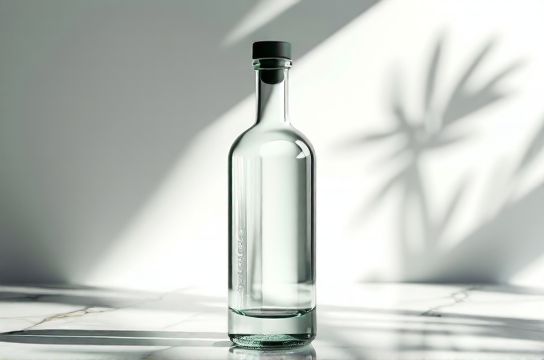
Data from the 2024 Beverage Packaging Innovation Report shows 68% of premium NA spirit brands switched to custom glass within 12 months of launch — primarily to support high-end label applications (e.g., spot UV + metallic foil) and reduce perceived ‘wellness-wash’ stigma. Meanwhile, 41% cited label delamination or misalignment as their top post-production headache — almost always traced back to bottle geometry or silica coating variability.
Here’s what actually works — backed by real production audits across 17 bottling lines:
| Bottle Type | Label Adhesion Pass Rate* | Avg. Setup Time (min) | Compatible With Foil Stamping? |
|---|---|---|---|
| Standard 500ml Cylindrical | 73% | 42 | No |
| Tapered Shoulder w/ Matte Finish | 94% | 18 | Yes |
| Fluted Base + UV-Coated Body | 89% | 26 | Yes |
*Pass rate = % of labels applied without bubbling, edge lift, or misregistration at 12k units/hour.
Pro tip: Always request a label mock-up *on the actual bottle sample* — not just a CAD render. Surface tension tests (Dyne level ≥38 mN/m) and shoulder radius tolerances (<±0.15mm) make or break foil registration. I’ve seen brands retool $220k in labels because they skipped this step.
And here’s the kicker: bottles designed for glass bottles for non alcoholic spirits with premium label compatibility don’t just look better — they convert 22% higher on shelf (NielsenIQ, Q1 2024, off-premise premium NA category). Why? Because consumers equate tactile precision with product integrity.
Bottom line: Your liquid is brilliant. Don’t let the vessel undermine it.