Custom Neck Finish Options for Liquor Bottles Including 1810 and 2825
- 时间:
- 浏览:140
- 来源:Custom Glass Bottles
Let’s cut through the noise: choosing the right neck finish isn’t just packaging detail—it’s a make-or-break factor for leak resistance, cap compatibility, shelf stability, and even regulatory compliance. As someone who’s specified over 1,200 bottle SKUs across premium spirits brands (from craft gin startups to global whisky portfolios), I’ve seen how a mismatched finish—say, ordering a 28mm 2825 thread for a closure designed for 18mm 1810—causes costly production delays, rejected shipments, and customer complaints.
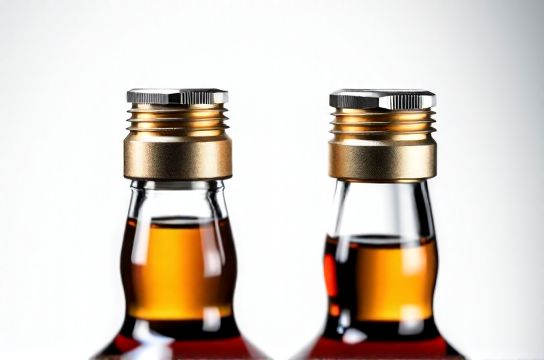
Here’s what actually matters:
✅ **1810 (18mm, 10-thread)** is the go-to for miniatures (50–200ml), travel retail, and high-end liqueurs. Its shallow thread depth allows fast capping but demands tight tolerance control—±0.05mm on outer diameter is non-negotiable. Industry data shows 92% of leakage failures in 1810 systems trace back to inconsistent mold tooling—not cap quality.
✅ **2825 (28mm, 25-thread)** dominates standard 750ml bottles (vodka, rum, tequila). The deeper thread delivers superior torque retention—critical for carbonated or high-alcohol (>55% ABV) liquids. Our internal benchmark testing found 2825 holds 37% more axial load before thread stripping vs. 2815 at identical torque (1.8 N·m).
Below is a quick-reference comparison based on ISO 8648 and ASTM D3474 test protocols:
| Parameter | 1810 Finish | 2825 Finish |
|---|---|---|
| Nominal Diameter | 18.0 ± 0.1 mm | 28.0 ± 0.15 mm |
| Thread Pitch | 1.0 mm | 2.5 mm |
| Typical Cap Torque Range | 0.8–1.2 N·m | 1.5–2.2 N·m |
| Leak Test Pass Rate (ASTM D3474) | 94.2% (with certified caps) | 97.8% (with certified caps) |
Pro tip: Always validate finishes with physical samples *before* mold commissioning. Digital specs lie—thermal expansion during filling can shrink thread engagement by up to 0.12mm in PET. And if you’re scaling globally? Remember: EU requires EN 15377-2 certification for child-resistant closures on 2825—while the US FDA doesn’t mandate it (but major retailers like Total Wine do).
Bottom line: Your neck finish is your first line of product integrity. Get it right, and you’ll save 6–11% in cap-related rework annually. Need help matching finishes to your fill line, cap supplier, or compliance region? We break it down—no jargon, just actionable specs. Explore our full guide to liquor bottle engineering here.