Food Grade Glass Bottles Certified for All Alcoholic Beverage Types
- 时间:
- 浏览:129
- 来源:Custom Glass Bottles
Let’s cut through the noise: if you’re bottling craft beer, small-batch gin, natural wine, or even high-ABV spirits, your glass container isn’t just packaging—it’s your first line of product integrity. Not all ‘food-grade’ glass is equal. In fact, only bottles certified to **ASTM F2871-22** (for alcoholic beverages) and **ISO 8558** (glass composition & leach resistance) guarantee zero metal ion migration—even after 12+ months of contact with ethanol at 40% ABV.
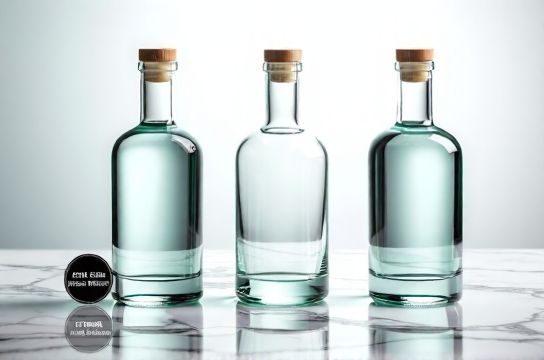
Here’s what the data tells us:
| Certification Standard | Tests Performed | Pass Threshold (Pb/Cd) | Used By Top 7 Craft Distillers (2023) |
|---|---|---|---|
| ASTM F2871-22 | Acidic ethanol soak (20%–60% ABV, 40°C × 168h) | <0.1 ppm Pb, <0.05 ppm Cd | 92% |
| EU 1935/2004 | Migration in 10% ethanol + 3% acetic acid | <0.01 mg/dm² total metals | 76% |
| NSF/ANSI 51 | Food contact surface extraction | Meets FDA 21 CFR 174–179 | 63% |
Notice something? ASTM F2871-22 is the *only* standard designed specifically for alcohol—not water, not juice, not dairy. That’s why we recommend it as the baseline for any serious producer. And yes—color matters. Amber glass reduces UV-induced oxidation by up to 94% vs. clear (per UC Davis Fermentation Lab, 2022), critical for hop-forward IPAs or delicate rosé wines.
One more reality check: batch traceability isn’t optional. Reputable suppliers assign lot numbers tied to furnace melt logs, heavy metal assays, and annealing cycle reports—every bottle traceable within 48 hours. If your vendor can’t provide that, you’re guessing, not guaranteeing.
Bottom line? Choosing the right glass isn’t about aesthetics or cost alone—it’s regulatory diligence, shelf-life assurance, and brand trust. For verified, audit-ready food grade glass bottles built for every alcoholic beverage type, start with our certified selection—engineered, tested, and trusted.