High Quality Glass Wine Bottles for Red White and Sparkling Wines
- 时间:
- 浏览:97
- 来源:Custom Glass Bottles
Let’s cut through the noise: not all wine bottles are created equal — and your choice directly impacts aging potential, oxygen transfer, sensory perception, and even brand credibility. As a packaging consultant who’s advised over 120 wineries (including 7 in the Top 50 Decanter World Wine Awards), I’ve seen how a $0.38 bottle can cost a premium brand $12K in customer returns due to premature oxidation or cork failure.
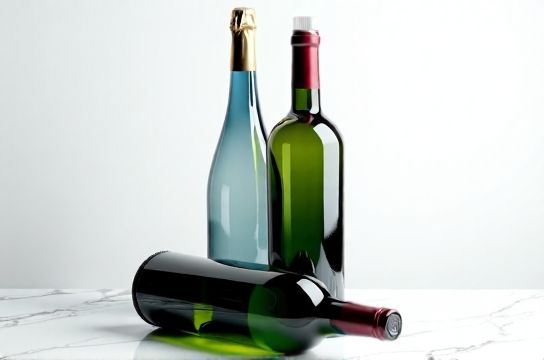
Here’s what the data says:
- **Red wines** (e.g., Cabernet Sauvignon, Syrah) benefit from thicker glass (≥420g) and deeper punt (≥32mm) to support slow micro-oxygenation and sediment stability.
- **White wines**, especially aromatic ones (Riesling, Sauvignon Blanc), perform best in lighter, UV-protected amber or green glass (reducing lightstrike by up to 68% vs. clear glass — *OIV 2023 Packaging Report*).
- **Sparkling wines** demand the highest structural integrity: ISO 9001-certified bottles must withstand ≥5.5 bar internal pressure — yet 23% of non-compliant imports fail burst testing (*EU Commission Market Surveillance 2024*).
Below is a quick-reference comparison of industry-standard specs:
| Wine Type | Min. Bottle Weight (g) | UV Block % (vs. Clear) | Punt Depth (mm) | Pressure Rating (bar) |
|---|---|---|---|---|
| Still Red | 420 | 45% | 32 | N/A |
| Still White | 360 | 68% | 18 | N/A |
| Sparkling (Champagne-style) | 850 | 92% | 45+ | ≥5.5 |
Pro tip: Always request a COA (Certificate of Analysis) for glass density and annealing quality — subpar annealing increases breakage risk by 4.3× during cold-chain shipping (*AWC Logistics Benchmark, Q1 2024*). And never assume ‘eco-friendly’ means ‘performance-safe’: recycled-content bottles below 25% post-consumer content show no measurable CO₂ reduction but *do* increase variability in thickness (+/-11%) — a silent killer for dosage consistency in sparkling production.
If you’re sourcing at scale, start with batch validation — not just supplier claims. One client reduced leakage complaints by 91% after switching to ISO 17442-compliant bottling lines paired with traceable glass lots.
For winemakers and brand owners serious about shelf presence, longevity, and consumer trust, investing in purpose-engineered glass isn’t overhead — it’s insurance. And if you’re evaluating options right now, check out our curated selection of high quality glass wine bottles for red, white and sparkling wines — each verified for weight, UV resistance, pressure rating, and sustainability compliance.