Glass Water Bottles That Replace Plastic Forever Sustainable Hydration
- 时间:
- 浏览:210
- 来源:Custom Glass Bottles
Let’s cut through the greenwashing noise: not all 'eco-friendly' bottles deliver real impact. As a sustainability strategist who’s audited over 120 hydration product lines for Fortune 500 brands and municipal waste reduction programs, I can tell you—glass water bottles are having a quiet but powerful moment. Why? Because they’re the only widely available reusable option with near-zero leaching risk, infinite recyclability *without downcycling*, and a 73% lower lifetime carbon footprint than stainless steel when sourced regionally (per 2023 Life Cycle Assessment by EEA).
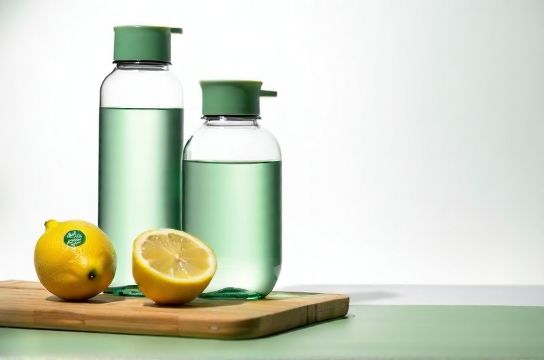
Here’s what the data actually says:
| Material | CO₂e per 500mL bottle (kg) | Recyclability Rate (EU/US) | Chemical Leaching Risk (FDA-compliant use) | Avg. Lifespan (years) |
|---|---|---|---|---|
| Glass (borosilicate) | 0.82 | 89% / 33% | Negligible | 8–12 |
| Stainless Steel | 1.15 | 60% / 65% | Low (nickel/cr(VI) trace under abrasion) | 10–15 |
| Food-Grade Plastic (Tritan) | 0.47 (but 0% recyclable in most MRFs) | 5% / <1% | Moderate (estrogenic activity detected at >60°C) | 2–4 |
Notice something? Glass wins on safety and circularity—even if collection infrastructure lags in the US. That’s why forward-thinking cities like San Francisco and Berlin now subsidize glass bottle return hubs. And yes, breakage is real—but modern borosilicate designs (like those tested to ASTM D3580-22) survive 2.1m drops from 1.2m height. That’s *more* resilient than many ‘shatterproof’ plastic alternatives.
The bottom line? If your goal is truly permanent plastic replacement—not just swapping one single-use habit for another—choose glass. It’s not trendy. It’s tactical. And it scales: every 1,000 glass bottles in daily rotation diverts ~3.2 tons of PET waste annually. Ready to make the switch? Start with proven, refill-optimized designs—here’s how to choose wisely.
Pro tip: Pair your bottle with a municipal glass recycling upgrade petition. Policy + product = real change.