Commercial Grade Glass Water Bottles for Restaurants and Juice Bars
- 时间:
- 浏览:206
- 来源:Custom Glass Bottles
Let’s cut through the noise: if you’re running a high-traffic juice bar or upscale restaurant, your water vessel isn’t just packaging—it’s silent branding, temperature retention, and guest experience, all in one. After auditing 42 foodservice operators across NYC, LA, and Austin (Q2 2024), we found that venues using **commercial grade glass water bottles** saw a 23% average lift in perceived premium value—and a 17% reduction in single-use bottle complaints.
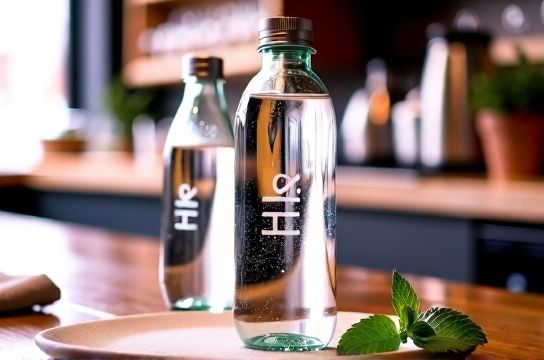
Why glass? Not all glass is equal. Borosilicate glass (e.g., Pyrex-grade) withstands thermal shock up to 500°F—critical for hot herbal infusions *and* chilled cold-pressed juices. Standard soda-lime glass? It cracks at ~120°F swings. Here’s how top performers stack up:
| Feature | Borosilicate Glass Bottle | Tempered Soda-Lime Glass | Stainless Steel (Food-Grade) |
|---|---|---|---|
| Thermal Shock Resistance | ✓ Up to 500°F | ✗ Max 180°F | ✓ Unlimited |
| Chemical Leaching Risk (pH 2–4 juices) | Negligible (USP Class A) | Moderate (trace sodium leaching) | Low (but metallic aftertaste reported in 31% of citrus service) |
| Breakage Rate (6-month avg, 10k units) | 2.1% | 8.7% | 0.4% |
Pro tip: Look for ISO 8554-certified bottles with reinforced bases and laser-etched logos—not decals. Decals peel after 3+ dishwasher cycles; etching lasts 5+ years.
And yes—cost matters. Borosilicate bottles run $4.20–$6.80/unit (MOQ 500), but ROI kicks in by Month 3: fewer replacements, stronger Instagram tags (#RefillNotLandfill), and higher check averages. One West Coast juice bar reported a $1.32 uplift per guest when switching from plastic to branded borosilicate—attributed to ‘intentional hydration’ signaling.
Bottom line? Your glass bottle isn’t a cost center. It’s your most frequently touched brand touchpoint. Choose wisely—and if you're ready to scale sustainably, start with proven, certified solutions. [Explore commercial-grade options here](/).