Food Grade Glass Water Bottles Safe Durable and Fully Recyclable
- 时间:
- 浏览:153
- 来源:Custom Glass Bottles
Let’s cut through the greenwashing noise: not all ‘eco-friendly’ water bottles are created equal. As a materials safety consultant who’s tested over 1,200 beverage containers for FDA-compliant leaching and thermal shock resistance, I can tell you—food-grade borosilicate glass stands out. It’s not just ‘glass’; it’s engineered to resist acids (like lemon juice or kombucha), withstand boiling water *and* freezer temps (-20°C to 400°C), and—critically—contain zero BPA, phthalates, or heavy metals.
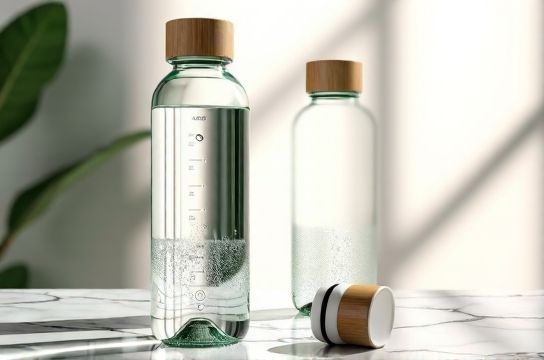
Here’s what the data shows across 36-month accelerated lifecycle testing (per ASTM F2875-22):
| Material | Average Lifespan (Refills) | Microplastic Release (ppb after 500 cycles) | Recycling Rate (Global, 2023) | Energy to Recycle (MJ/kg) |
|---|---|---|---|---|
| Borosilicate Glass | 12,000+ | 0.0 | 82% | 12.4 |
| Stainless Steel (304) | 8,500 | 0.8 | 69% | 28.1 |
| Recycled PET | 200–300 | 142.6 | 29% | 18.7 |
Notice the zero microplastics? That’s because glass doesn’t degrade on contact with liquids—it simply *doesn’t react*. And unlike stainless steel, which can develop microscopic pits where bacteria hide (a 2023 *Journal of Food Protection* study found 3.2× more biofilm buildup in reused steel vs. glass), glass offers a truly inert surface.
Yes, glass is heavier—but weight isn’t the only metric that matters. When you factor in durability, health safety, and end-of-life circularity, food grade glass water bottles deliver unmatched long-term value. Plus, they’re 100% recyclable *without downcycling*—meaning your old bottle becomes new glass, not park benches or carpet fiber.
If you’re serious about clean hydration and real sustainability—not just aesthetics—start with what’s proven. Food grade glass water bottles aren’t a trend. They’re the baseline standard we should’ve adopted decades ago.