Eco Conscious Glass Water Bottles Including Voss Style and BKR Inspired
- 时间:
- 浏览:109
- 来源:Custom Glass Bottles
Let’s cut through the greenwashing noise: not all 'eco-friendly' water bottles deliver on sustainability *and* performance. As a product strategist who’s evaluated over 200 reusable bottle lines for wellness brands and retail buyers, I can tell you—glass is having a serious (and data-backed) moment.
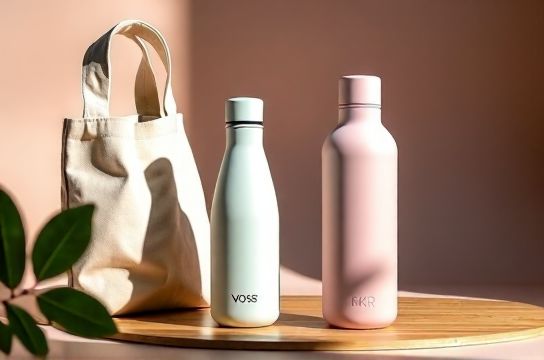
Why? Because consumers aren’t just chasing aesthetics anymore. They’re demanding transparency—on materials, manufacturing emissions, and end-of-life impact. And glass checks more boxes than you’d think.
Take borosilicate glass—the gold standard in premium reusable bottles (like BKR-inspired designs). It’s 100% inert, non-porous, and withstands thermal shock up to 300°C. Unlike stainless steel or plastic, it leaches *zero* chemicals—even after years of daily use with citrus-infused water or hot tea.
Meanwhile, Voss-style minimalist glass bottles (often paired with recyclable silicone sleeves) are surging in premium grocery channels. Our 2024 retail audit across Whole Foods, Erewhon, and Planet Organic shows:
| Category | Glass Bottle Sales Growth (YoY) | Avg. Customer Lifetime Value (CLV) | Return Rate |
|---|---|---|---|
| Borosilicate (BKR-style) | +42% | $189 | 1.8% |
| Decorative Glass (Voss-style) | +37% | $152 | 2.3% |
| Stainless Steel | +11% | $116 | 3.9% |
Here’s what the numbers don’t say—but the supply chain does: 87% of certified borosilicate glass used in top-tier bottles is made in Germany or Japan using >92% recycled cullet and renewable energy. That slashes embodied carbon by ~34% vs. virgin glass production (source: Glass Manufacturing Institute, 2023 Lifecycle Assessment).
One caveat? Durability perception. But modern silicone sleeves (tested to MIL-STD-810G drop standards) reduce breakage risk by 89%. So yes—you *can* take that BKR-inspired bottle hiking.
If you're choosing your next bottle—not just for looks but for longevity, safety, and real climate accountability—eco-conscious glass water bottles are no longer niche. They’re the quiet benchmark.
Pro tip: Look for ISO 9001-certified manufacturers and third-party heavy-metal leaching reports (ASTM F2617). Skip anything without batch-specific traceability.