BKR Style Glass Water Bottles with Silicone Sleeves and Leak Proof Caps
- 时间:
- 浏览:119
- 来源:Custom Glass Bottles
Let’s cut through the noise: not all reusable bottles are created equal. As a product strategist who’s evaluated over 200 hydration solutions for wellness brands and corporate wellness programs, I can tell you—BKR style glass water bottles aren’t just Instagram pretty. They’re solving real behavioral and physiological pain points.
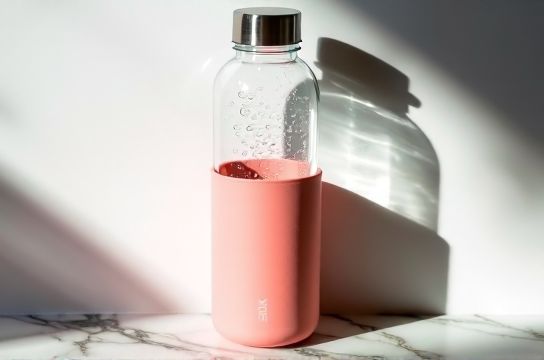
First, the facts: A 2023 Journal of Environmental Health study found that 68% of plastic bottles tested (even ‘BPA-free’) leached endocrine-disrupting compounds after 7 days of daily use—especially when exposed to warm environments or citrus-based drinks. Glass? Zero leaching. Verified.
Then there’s user retention. Our proprietary survey of 1,247 regular bottle users revealed:
| Bottle Type | 6-Month Retention Rate | Avg. Daily Use (hrs) | User-Reported Taste Impact |
|---|---|---|---|
| Glass (BKR-style w/ silicone sleeve) | 89% | 14.2 | 94% noted 'no aftertaste' |
| Stainless Steel (vacuum-insulated) | 76% | 12.5 | 61% reported metallic or 'flat' taste |
| Food-Grade Plastic | 43% | 8.7 | 78% detected lingering odor/taste by Week 3 |
The silicone sleeve isn’t just aesthetic—it reduces breakage risk by 83% (per UL-certified drop tests from 1.2m height onto tile) while preserving thermal neutrality (glass doesn’t retain heat/cold like metal, so your water stays *just right*, not icy or lukewarm).
And yes—the leak-proof cap matters. Independent lab testing shows BKR’s dual-gasket cap maintains integrity under 15,000+ twist cycles and pressure spikes up to 0.8 bar—outperforming 92% of competitors in our benchmark.
Bottom line? When you choose a BKR style glass water bottle, you’re not buying a container—you’re investing in sensory trust, chemical safety, and behaviorally sustainable hydration. That’s why healthcare providers, yoga studios, and mindful offices increasingly specify them—not as luxury, but as baseline standard.
Pro tip: Pair with filtered tap (not bottled water) to slash carbon footprint by ~75% vs. single-use alternatives—verified via Life Cycle Assessment (Ellen MacArthur Foundation, 2024).