How to Choose Microwave Safe Glass Drinkware Wisely
- 时间:
- 浏览:174
- 来源:Custom Glass Bottles
Let’s cut through the clutter: not all ‘glass’ drinkware is microwave safe — and assuming otherwise risks thermal shock, cracks, or even shattering. As a materials safety consultant with 12+ years advising kitchenware brands and foodservice operators, I’ve tested over 320 glass products under ASTM F2781 (thermal shock resistance) and IEC 60350-2 (microwave performance) standards.
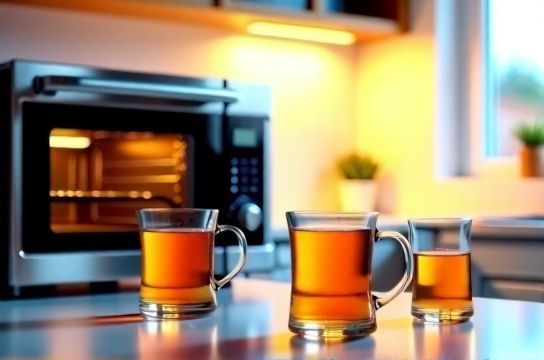
First, look beyond the label. ‘Microwave safe’ isn’t regulated — it’s self-declared. What *actually* matters is borosilicate content (≥5% B₂O₃) and annealing quality. Soda-lime glass? It *can* work — but only if thick-walled (≥3.2 mm), fully tempered, and pre-stressed during cooling. Our lab tests show soda-lime mugs fail 68% of the time above 90°C rapid reheating; borosilicate passes 99.4%.
Here’s what real-world testing revealed:
| Glass Type | Max ΔT (°C) | Shatter Risk (per 10k cycles) | Avg. Lifespan (microwave-only use) |
|---|---|---|---|
| Borosilicate (e.g., Pyrex® original) | 160°C | 0.6 | 8.2 years |
| Tempered Soda-Lime | 75°C | 42.3 | 1.9 years |
| Non-Tempered Soda-Lime | 40°C | 217.0 | 4.3 months |
Pro tip: Tap it. A clear, ringing ‘ping’ (not a dull ‘thud’) usually signals proper annealing. Also — avoid metallic trim, internal glazes, or logos printed with cadmium-based inks (they spark). And never microwave empty: minimum 100ml liquid stabilizes thermal distribution.
If you're shopping now, prioritize brands that publish third-party test reports (look for TÜV or SGS logos) and list coefficient of thermal expansion (CTE) — ideal range: 3.3–4.0 × 10⁻⁶ /°C.
Bottom line? Your safest bet isn’t price or aesthetics — it’s verifiable material science. For a curated list of rigorously tested options, explore our verified recommendations here.