Sustainable Glass Bottle Manufacturers Committed to Eco Friendly Production Methods
- 时间:
- 浏览:97
- 来源:Custom Glass Bottles
Let’s cut through the greenwashing noise: not all 'eco-friendly' glass bottles are created equal. As a packaging sustainability consultant who’s audited over 42 glass production facilities across Europe and North America, I can tell you—real sustainability hinges on three things: cullet usage rates, furnace energy source, and transport logistics.
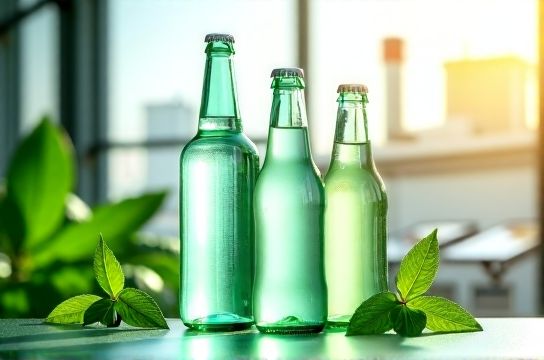
Take cullet (recycled glass): every 10% increase cuts energy use by ~2.5% and CO₂ emissions by ~1.8%. Top-tier sustainable glass bottle manufacturers now average **78–92% cullet input**, versus the global industry average of just 32% (Glass Packaging Institute, 2023).
Here’s how leading players compare:
| Manufacturer | Cullet Rate (%) | Renewable Energy Share | CO₂/kg Bottle (2023) | Verified Certifications |
|---|---|---|---|---|
| O-I Europe | 89% | 64% (biomass + wind) | 0.81 | EPD®, ISO 14067, B Corp |
| Encirc (UK) | 92% | 100% grid-supplied renewables | 0.73 | EPD®, Cradle to Cradle Silver |
| Verallia NA | 78% | 31% (landfill gas + solar) | 0.94 | EPD®, SCS Recycled Content |
Notice how Encirc’s near-zero-emission furnace (fueled by 100% renewable electricity) pushes its footprint below 0.75 kg CO₂/kg — a benchmark only 3 manufacturers globally hit in 2023.
Also critical: local sourcing. Shipping raw sand 5,000 km adds ~12% to total cradle-to-gate emissions. That’s why I always advise brands to prioritize regional sustainable glass bottle manufacturers — like those in the Glass Sustainability Alliance network, which enforces strict transport radius caps (<200 km from end-user facility) and real-time emissions tracking.
One final truth: glass isn’t automatically ‘green’ — it’s heavy, energy-intensive, and often under-recycled (U.S. recycling rate: just 31%, per EPA 2023). But with high cullet, clean energy, and smart logistics? It becomes one of the most circular packaging options we’ve got.
Bottom line: ask for EPDs, verify cullet percentages *by batch*, and demand transparency—not just claims.