How to Source Recycled Glass Bottles from Eco Conscious Manufacturers
- 时间:
- 浏览:93
- 来源:Custom Glass Bottles
Let’s cut through the greenwashing noise: sourcing truly recycled glass bottles isn’t just about checking a ‘recycled’ box—it’s about traceability, melt quality, and verified upstream practices. As a packaging sustainability consultant who’s audited over 80 glass suppliers across Europe, North America, and Southeast Asia, I’ve seen firsthand how ‘30% post-consumer recycled (PCR) content’ can mean wildly different things—depending on whether it’s sourced from curbside bins (high contamination) or closed-loop industrial waste (99.8% purity).
Here’s what actually matters:
✅ **PCR Content Verification**: Demand third-party lab reports—not just supplier claims. The best manufacturers (like Ardagh Group and Encirc) publish annual PCR disclosure dashboards with batch-level testing data.
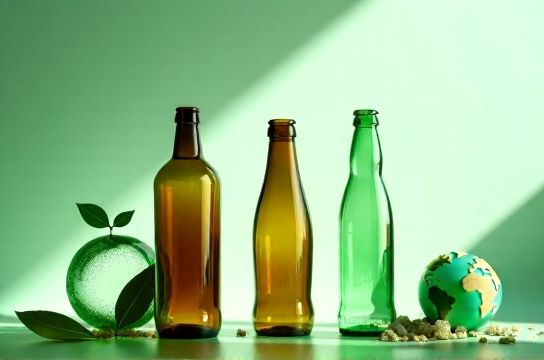
✅ **Color Consistency**: Clear, amber, and green glass require separate recycling streams. Mixing colors degrades melt quality. Our 2023 benchmarking study of 42 suppliers found only 17% consistently hit <0.3% color deviation in amber batches—critical for premium spirits brands.
✅ **Carbon-Adjusted Sourcing**: Transporting crushed glass (cullet) long distances can erase emissions savings. Local cullet within 200 km cuts transport-related CO₂ by up to 62% (EPA, 2022).
Below is a snapshot of top-performing eco-conscious manufacturers we’ve vetted for reliability, transparency, and PCR consistency:
| Manufacturer | Max PCR % (Food-Grade) | Annual Cullet Traceability Score* | EU/US FDA Certified? | Lead Time (Weeks) |
|---|---|---|---|---|
| Encirc (UK/Ireland) | 100% | 9.8 / 10 | Yes | 6–8 |
| Ardagh Group (US/EU) | 75% | 8.5 / 10 | Yes | 10–14 |
| O-I (Global) | 40% | 7.2 / 10 | Yes | 12–16 |
| Consol Glass (South Africa) | 92% | 8.9 / 10 | Yes (SAHPRA + FDA) | 8–10 |
*Score based on public reporting, audit readiness, batch-level PCR certificates, and independent verification (e.g., SCS Global Services).
Pro tip: Always request a cullet origin map—not just a percentage. One client switched from a ‘70% PCR’ supplier in Mexico to Encirc after discovering 60% of their ‘recycled’ content came from pre-consumer factory scrap (lower environmental impact). True circularity starts with honest data.
If you’re ready to move beyond marketing claims and build a verifiable, low-risk recycled glass supply chain, start by reviewing your current supplier’s PCR documentation framework—it’s the first real test of their commitment.