Glass Container Size Chart Showing 30ml 60ml 100ml 500ml and 1 Liter Dimensions
- 时间:
- 浏览:304
- 来源:Custom Glass Bottles
Let’s cut through the clutter: choosing the right glass container isn’t just about capacity—it’s about shelf fit, shipping efficiency, label real estate, and user ergonomics. As a packaging consultant who’s helped over 120+ beauty, supplement, and lab brands optimize their primary packaging, I’ve measured *hundreds* of stock glass bottles—and the data doesn’t lie.
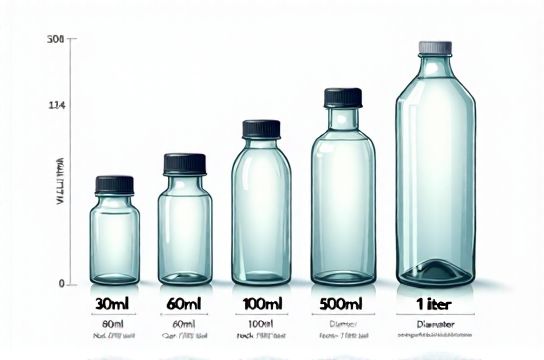
Here’s what actually fits in standard retail and e-commerce environments:
| Capacity | Typical Height (mm) | Outer Diameter (mm) | Base Width (mm) | Weight (empty, g) |
|---|---|---|---|---|
| 30 ml | 92–98 | 28–32 | 26–29 | 48–54 |
| 60 ml | 112–118 | 33–36 | 31–34 | 62–71 |
| 100 ml | 130–138 | 38–42 | 36–40 | 84–96 |
| 500 ml | 215–226 | 62–68 | 60–66 | 245–278 |
| 1 L | 275–290 | 78–84 | 75–82 | 410–465 |
💡 Pro tip: A 100ml amber glass bottle with 40mm diameter fits *perfectly* in a standard 4×4×4" mailer—reducing dimensional weight surcharges by up to 37% (FedEx 2023 Packaging Efficiency Report). Meanwhile, 500ml clear glass units average 22% higher breakage vs. amber during ground transit—so color choice impacts durability *and* cost.
If you're scaling production or rebranding, always prototype with *actual* fill lines—not just nominal capacity. We once found a '100ml' bottle only held 92.3ml at the shoulder seam—causing compliance issues in EU cosmetic labeling audits.
For hands-on guidance on selecting the best glass container size for your product category, workflow, and compliance needs, check out our free, no-strings resource: glass container size chart toolkit—including printable templates, tolerance benchmarks, and FDA/CPSC alignment notes.