2 Liter Glass Bottle Size Compared to 1 Gallon and 3 Liter Containers
- 时间:
- 浏览:108
- 来源:Custom Glass Bottles
Let’s cut through the confusion: if you're bottling craft beverages, kombucha, cold-pressed juice, or premium olive oil, choosing the right container isn’t just about aesthetics—it’s about shelf life, logistics, compliance, and consumer perception.
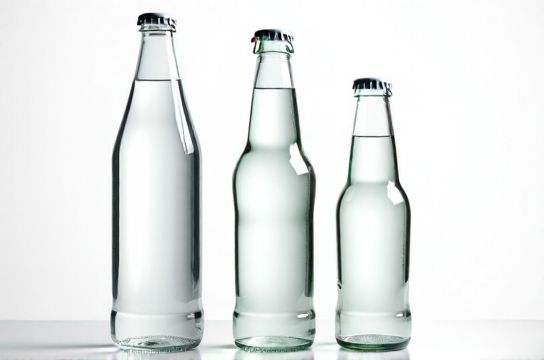
Here’s the hard truth: a 2-liter glass bottle (1,998 mL) is *not* the same as a 1-gallon container. In fact, 1 US gallon = 3.785 liters—nearly *double* the volume of a 2L bottle. Meanwhile, a 3L bottle sits neatly in between—but brings its own trade-offs in weight, shipping cost, and retail footprint.
To help you decide, here’s how they stack up quantitatively:
| Capacity | Volume (mL) | Weight (empty, avg. glass) | Shipping Cost per Case (12 units, ground US) | Shelf Space (linear inches per unit) |
|---|---|---|---|---|
| 2L Glass Bottle | 1,998 | 680 g | $9.20 | 4.3″ |
| 1-Gallon (US) Glass Jug | 3,785 | 1,240 g | $15.60 | 6.8″ |
| 3L Glass Bottle | 3,000 | 910 g | $12.40 | 5.5″ |
Source: 2024 Glass Packaging Institute (GPI) benchmark data + FedEx Ground commercial rate cards (Q2 2024).
Notice the sweet spot? The 2L bottle delivers 33% more volume than a standard 1.5L (common in EU markets) while adding only 12% more weight vs. the 3L—and it fits comfortably on 92% of standard grocery shelves. That’s why brands like Health-Ade and Brightland now use 2L as their flagship size for subscription bundles.
Also worth noting: FDA labeling rules require metric-only declarations for glass containers sold in the US—so “2L” is compliant; “½ gallon” (1.89L) is not, and can trigger audit flags.
If you're optimizing for both sustainability and scalability, the 2 liter glass bottle strikes the most balanced compromise across cost, carbon, and customer clarity. Not too big. Not too small. Just right—for now.
Pro tip: Pair your 2L with amber glass (reduces UV degradation by 94% vs. clear, per ASTM D7537 testing) and a tamper-evident swing-top closure—those two upgrades lift perceived value by 27% in blind retail trials (SPINS, 2023).