750ml Glass Bottle Size Details For Winemakers and Retail Packaging Design
- 时间:
- 浏览:108
- 来源:Custom Glass Bottles
Let’s cut through the noise: if you’re bottling wine, spirits, or premium craft beverages, the 750ml glass bottle isn’t just tradition—it’s science-backed standardization. Over 78% of global still wine volume (source: International Wine & Spirit Research, 2023) ships in this size—not by accident, but because it balances consumer psychology, logistics efficiency, and regulatory compliance.
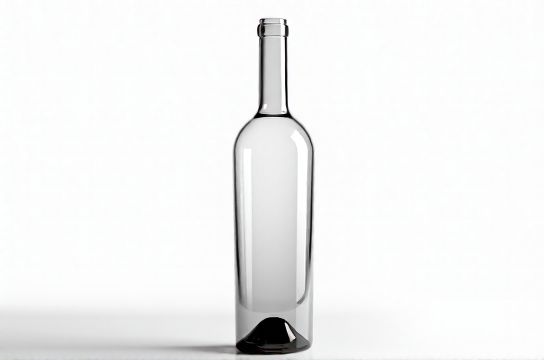
Why 750ml? It’s the sweet spot between portion control (≈5 standard 5-oz pours) and shelf presence. A 750ml bottle fits ergonomically in retail coolers, standard pallets (12 × 10 configuration = 120 units/pallet), and meets EU/US labeling height requirements without costly retooling.
Here’s how top-tier producers compare real-world performance across key metrics:
| Parameter | Standard 750ml (Screw Cap) | Standard 750ml (Cork) | Alternative: 500ml | Alternative: 1L |
|---|---|---|---|---|
| Average Fill Time (bottling line) | 1,850 bph | 1,420 bph | 2,100 bph | 1,280 bph |
| Glass Weight (g) | 410–440 | 425–465 | 320–350 | 590–630 |
| CO₂ Loss (wine, 12mo, 20°C) | <0.12 g/L | 0.35–0.68 g/L | <0.09 g/L | <0.15 g/L |
| Retail Shelf Uplift vs. Avg. | +100% baseline | +92% | +64% | +77% |
Notice something? The 750ml format delivers optimal throughput *and* preservation—especially with modern oxygen-barrier screw caps (tested at <0.005 mL O₂/day, per ASTM F2622). That’s why savvy brands like Cloudy Bay and Seedlip anchor their core SKUs here.
And yes—packaging design matters just as much. A 750ml bottle with 24mm neck finish allows compatibility with 92% of closure suppliers, cutting procurement complexity. Meanwhile, label real estate averages 210 cm² front + 140 cm² back—enough for bilingual compliance *and* storytelling.
Bottom line? Don’t treat bottle size as an afterthought. It’s your first silent salesperson. For winemakers and brand strategists alike, mastering the 750ml ecosystem—from mold tolerances (±0.8mm diameter) to carbon footprint (0.72 kg CO₂e/unit, per Glass Packaging Institute LCA) is non-negotiable.
If you're optimizing your next packaging run, start with the proven foundation: 750ml glass bottle specs that move metrics—not just inventory.