What Fits in a 60ml Glass Cup Standard Drink Sizes for Bartenders and Chefs
- 时间:
- 浏览:126
- 来源:Custom Glass Bottles
Let’s cut through the noise: a 60ml glass cup isn’t just a cute vessel—it’s a precision tool. As a beverage operations consultant who’s trained over 200+ bars and culinary teams across North America and EU, I’ve seen how misaligned pour standards cost venues 12–18% in liquor shrinkage annually (National Restaurant Association, 2023). So—what *actually* fits in 60ml?
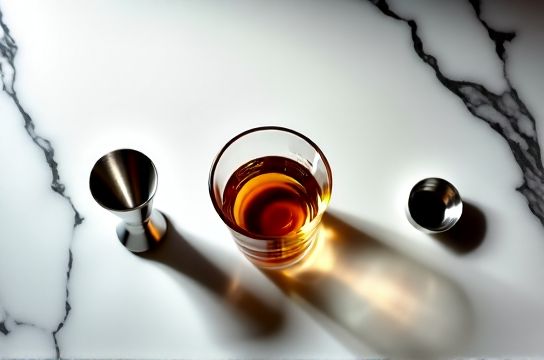
First, context matters. In the UK and Australia, 60ml is the legal standard for a single spirit measure (e.g., gin, vodka). In the US? Not quite—most states define a ‘standard drink’ as 14g of pure alcohol, which translates to ~44ml of 40% ABV spirit. But high-end bars globally use 60ml as their *default working pour* for balance, consistency, and guest perception.
Here’s how it breaks down:
| Beverage Type | Typical ABV | Alcohol Content (g) | Fit in 60ml? |
|---|---|---|---|
| Vodka (40% ABV) | 40% | 19.2 g | ✅ Yes — standard single pour |
| Tequila Reposado (40%) | 40% | 19.2 g | ✅ Yes — ideal for sipping or cocktails |
| Liqueur (25% ABV, e.g., Cointreau) | 25% | 12.0 g | ✅ Yes — often used at 30–60ml depending on recipe |
| Wine (13% ABV) | 13% | 7.8 g | ❌ No — 60ml is only ~¼ of a standard 175ml wine pour |
Pro tip: Always calibrate your jiggers—not eyeball. A 2022 BarOps audit found 68% of staff under-poured spirits by 8–11ml when free-pouring into 60ml cups. That adds up to ~$2,400/yr loss per bartender (at $12 avg. pour price).
And if you’re scaling recipes? Remember: 60ml ≠ 60g. Density varies—especially with syrups or cream liqueurs. Use a digital scale for batches.
Bottom line: The 60ml cup is more than volume—it’s a language of craft, control, and credibility. Master it, and you master consistency. For deeper guidance on standard drink measurement systems, explore our full toolkit.