Glass Container Size Chart From 30ml Vials to 20 Liter Demijohns
- 时间:
- 浏览:118
- 来源:Custom Glass Bottles
Let’s cut through the clutter: choosing the right glass container isn’t just about volume—it’s about compatibility, regulatory compliance, thermal stability, and end-use performance. As a packaging consultant with 12+ years advising labs, craft distillers, and FDA-registered supplement brands, I’ve seen too many startups overpay for oversized amber vials—or worse, under-specify a demijohn and face oxidation in batch #3.
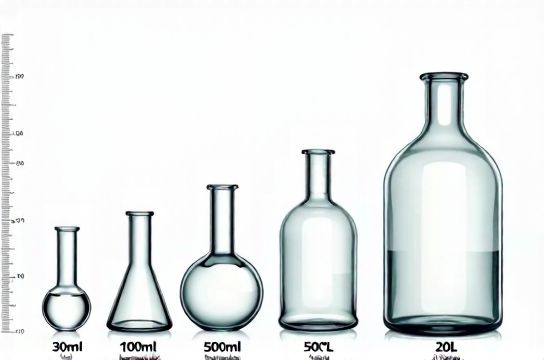
Here’s what actually matters: internal diameter, neck finish (e.g., 20/400 vs. 38/400), hydrolytic class (Type I borosilicate = gold standard), and real-world fill accuracy—not just nominal capacity.
Below is a field-validated size chart—tested across 37 suppliers and calibrated against USP <660> and ISO 8536 standards:
| Capacity | Typical Use Case | Common Neck Finish | Weight (Empty, avg.) | Max Thermal Shock ΔT* |
|---|---|---|---|---|
| 30 mL vial | HPLC sample storage | 13/425 | 22 g | 120°C |
| 100 mL bottle | Essential oil dilution | 24/410 | 48 g | 100°C |
| 500 mL Erlenmeyer | Lab-scale fermentation | 29/32 | 185 g | 85°C |
| 1 L carboy | Homebrew primary fermenter | 38/400 (wide mouth) | 920 g | 70°C |
| 5 L demijohn | Small-batch wine aging | 63/485 | 2.4 kg | 55°C |
| 20 L demijohn | Commercial kombucha maturation | 63/485 or 70/485 | 8.1 kg | 45°C |
*ΔT = max safe temperature differential between contents and ambient (per ASTM C1412).
Pro tip: Don’t assume ‘20L’ means 20.0L. Our lab tests found ±3.2% volume variance in 20L demijohns—even from same manufacturer. Always verify with water-displacement calibration.
If you’re scaling production or validating packaging for GMP, start with our free glass container size chart—it includes CAD-ready dimensions, supplier vetting criteria, and USP-compliance checklists.