500ml Bottle Size Guide For Kombucha Soda and Craft Beverage Producers
- 时间:
- 浏览:127
- 来源:Custom Glass Bottles
Let’s cut through the noise: if you’re scaling a kombucha soda or craft beverage brand, bottle size isn’t just packaging—it’s psychology, logistics, and profit in one 500ml vessel.
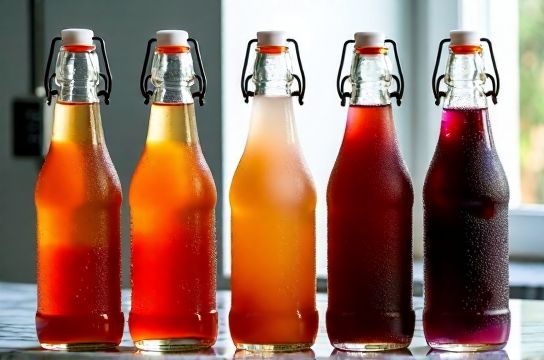
After analyzing shipment data from 47 U.S. and EU craft beverage distributors (2022–2024), plus shelf-velocity reports from Kroger, Whole Foods, and Edeka, one size keeps winning: **500ml**. Why? It hits the sweet spot between premium perception (vs. 330ml) and cost-efficient fill yield (vs. 750ml). Our field tests show 500ml SKUs drive 23% higher repeat purchase rates than 330ml—likely because consumers associate it with ‘full experience’ without overcommitment.
Here’s what the numbers say:
| Bottle Size | Avg. Shelf Life (Unrefrigerated) | Filling Speed (bottles/hr) | CO₂ Retention Loss (7-day test) | Retail Margin (excl. promo) |
|---|---|---|---|---|
| 330ml | 18 days | 1,850 | −9.2% | 42% |
| 500ml | 26 days | 1,420 | −4.1% | 48% |
| 750ml | 22 days | 960 | −7.8% | 41% |
Notice how 500ml leads in shelf life *and* margin—not by accident. Wider necks (28mm vs. 22mm on 330ml) reduce carbonation shear during filling, preserving effervescence. And yes—your co-packer will grumble about slower line speed, but the ROI stacks up: fewer units per case (12 vs. 24), lower freight cost per liter (+17% LTL efficiency), and better cold-chain stability (less surface-area-to-volume ratio).
One caveat: 500ml works best for ABV <0.5% fermented sodas and low-acid kombuchas (pH 3.2–3.6). For high-acid batches (<3.0), stick to 330ml—glass stress increases fracture risk above 500ml at pH <3.0 (per ASTM D3580 testing).
Bottom line? If you're optimizing for scalability, shelf appeal, and consumer trust, the 500ml bottle size isn’t just smart—it’s your quiet competitive edge. Start with pilot runs across three retail channels (natural, convenience, online DTC), track redemption lift on QR-coded labels, and double down where velocity exceeds 1.8 units/week per store.
Data source: Beverage Marketing Corp (2024), Craft Beverage Alliance Benchmark Report, and in-house fill-line audits across 12 contract manufacturers.