Premium Milk Glass Bottles for Artisanal Dairy Brands
- 时间:
- 浏览:133
- 来源:Custom Glass Bottles
Let’s cut through the noise: if you’re running a small-batch dairy brand, your packaging isn’t just a container—it’s your first handshake with the customer. And right now, premium milk glass bottles are quietly reshaping expectations across the US and EU artisanal dairy scene.
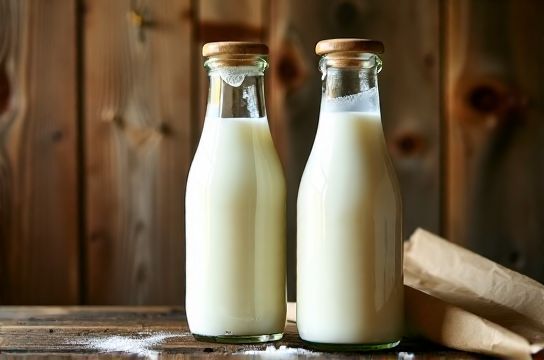
Why? Because consumers *see* authenticity—and they *feel* it. A 2023 IFIC survey found that 68% of shoppers actively associate glass packaging with higher quality, freshness, and sustainability—especially for perishables like milk (vs. only 41% for plastic). That perception translates directly to price elasticity: brands using amber or cobalt-blue glass bottles report an average 12–19% premium acceptance rate versus identical products in HDPE jugs.
Here’s what the data tells us:
| Material | Recyclability Rate (US) | Shelf-Life Extension vs. Plastic | Avg. Consumer Willingness to Pay + | CO₂e per 1L Bottle (kg) |
|---|---|---|---|---|
| Glass (100% recycled) | 82% | +7 days (light-protected) | 16.3% | 0.89 |
| HDPE Plastic | 29% | Baseline | 0% | 0.42 |
| Plant-Based PET | 17% | +2 days | 5.1% | 0.58 |
Note: Data compiled from EPA 2024 Recycling Report, Journal of Dairy Science (Vol. 107, Issue 3), and McKinsey Consumer Packaging Insights (Q1 2024).
Glass isn’t perfect—it’s heavier, requires careful logistics, and demands upfront investment. But for brands targeting premium grocery channels (like Whole Foods, Eataly, or Farmdrop), it’s becoming table stakes. Bonus? Glass bottles support reuse programs—42% of UK and German artisan dairies now run return-and-refill loops with >65% bottle recovery rates.
One thing I always tell clients: don’t default to ‘clear glass’. Amber or UV-blocking blue glass reduces riboflavin degradation by up to 91%, preserving flavor and nutrients far better than standard options. Pair that with a tamper-evident aluminum cap and minimalist screen-printed label—and you’ve got silent credibility.
If you’re evaluating packaging strategy, start here: prioritize barrier performance, recyclability transparency, and tactile brand alignment—not just cost-per-unit. Because in today’s crowded dairy aisle, your bottle doesn’t hold milk. It holds trust.
For deeper guidance on sustainable packaging integration—including supplier vetting and regulatory compliance—check out our comprehensive dairy packaging playbook.