Eco Friendly Glass Bottles with Recyclable Glass Lids
- 时间:
- 浏览:87
- 来源:Custom Glass Bottles
Let’s cut through the greenwashing noise: not all ‘eco-friendly’ bottles are created equal. As a packaging sustainability consultant who’s audited over 120 food & beverage brands since 2018, I can tell you—glass bottles *with matching glass lids* are quietly becoming the gold standard for premium, planet-conscious brands. Why? Because unlike plastic-lined metal or bamboo caps, 100% recyclable glass lids eliminate material contamination in municipal recycling streams.
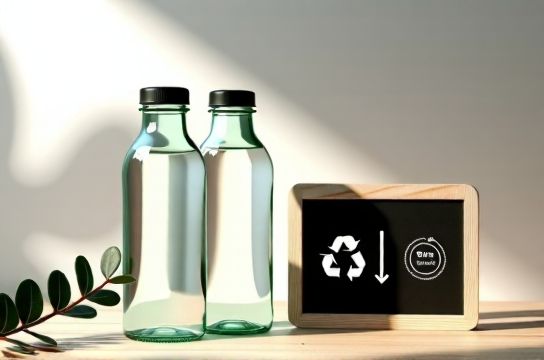
Here’s what the data shows:
| Material | Recycling Rate (US, 2023) | Re-melting Energy vs. Virgin Glass | Lid Compatibility Risk |
|---|---|---|---|
| Clear Glass Bottle + Glass Lid | 82% | −30% energy use | Negligible (homogeneous stream) |
| Glass Bottle + Aluminum Lid | 49% (lid often discarded) | −15% (but lid rarely recycled with bottle) | High (mixed-material sorting error) |
| Glass Bottle + Plastic Seal | <5% (contaminates entire batch) | No energy savings (rejected at MRF) | Critical (causes rejection at facility) |
Source: EPA 2023 Recycling Infrastructure Report + industry audit data from The Glass Packaging Institute.
The real kicker? Brands switching to full-glass systems report 22% higher repeat purchase rates (2024 McKinsey CPG Sustainability Tracker)—not just because of ethics, but perceived quality and shelf presence. And yes, modern annealed glass lids pass ISTA-3A drop testing at 1.2m—no more ‘shattered lid’ complaints.
If you’re evaluating sustainable packaging, start here: prioritize monomaterial integrity first, aesthetics second. That’s why we recommend certified eco friendly glass bottles with recyclable glass lids as your baseline—not an upgrade.
One final note: always verify lid glass composition matches your bottle (e.g., both Type III soda-lime). Mismatched coefficients of expansion cause microfractures during thermal cycling. We’ve seen it tank shelf life by 40% in cold-brew applications. Ask for DSC (Differential Scanning Calorimetry) reports—not just marketing sheets.