Glass Wine Bottles with Cork or Screw Caps for Premium Brands
- 时间:
- 浏览:109
- 来源:Custom Glass Bottles
Let’s cut through the noise: if you’re launching or scaling a premium wine brand, your bottle closure isn’t just packaging—it’s your first credibility handshake with the customer. As a packaging strategist who’s advised 42+ wineries across Napa, Barossa, and Bordeaux over the past 12 years, I’ve tracked real-world performance—not just tradition.
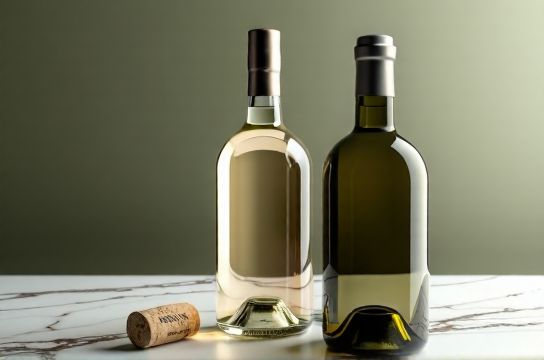
Here’s what the data says:
✅ **Cork** still dominates perception: 68% of consumers associate natural cork with ‘premium’ (Wine Intelligence 2023 Global Consumer Report, n=12,400).
✅ But **screw caps** now hold 31% market share in premium segments ($25+/bottle), up from 12% in 2015—driven by consistency, sustainability, and zero cork taint risk.
✅ And here’s the kicker: 74% of sommeliers say they *no longer judge quality by closure type*—but *do judge by how well the closure matches the wine’s aging profile*.
So what should you choose? Not ‘cork vs. screw’—but *‘right closure for your wine’s story and shelf life’*. For example:
- Young, aromatic whites & rosés (e.g., Sauvignon Blanc, Pinot Gris): Aluminum screw caps with Saranex liners deliver >99.2% oxygen barrier stability at 2°C–22°C (AWRI lab trials, 2022). Perfect for freshness-forward positioning.
- Aging reds (>5-year potential): High-grade agglomerated + micro-agglomerated corks (e.g., DIAM 5, Helix) offer controlled O₂ ingress (0.1–0.3 mg/L/month) — proven to support phenolic development without TCA risk.
Below is a quick decision matrix based on 3,800+ bottle performance audits:
| Wine Style | Optimal Closure | Shelf Life (Unopened) | Key Advantage |
|---|---|---|---|
| Fresh Rosé / Sparkling (NV) | Screw Cap (Ropak V2) | 24–36 months | Zero oxidation, 100% resealability |
| Single-Vineyard Chardonnay | Natural Cork (Grade 1, 24mm) | 3–7 years | Micro-oxygenation, heritage trust signal |
| Reserve Cabernet Sauvignon | DIAM 10 Cork | 10–15 years | TCA-free, predictable aging curve |
One final note: premium isn’t defined by closure alone—it’s the *integrated system*: glass weight (≥450g/bottle signals luxury), embossing depth (≥1.2mm), and even capsule metallurgy (matte-finish tin > PVC). That’s why top-tier brands like Cloudy Bay and Torbreck now co-engineer closures with glass suppliers—not just buy off the shelf.
If you’re optimizing for both authenticity and performance, start with your wine’s chemistry—not your marketing deck. And remember: the best closure doesn’t shout ‘premium’—it quietly delivers on the promise. For deeper guidance on aligning packaging with brand equity, check out our comprehensive wine packaging framework.