Honey Bear Bottles Made of Durable Food Grade Glass
- 时间:
- 浏览:109
- 来源:Custom Glass Bottles
Let’s cut through the buzz: if you’re packaging honey, maple syrup, or artisanal sauces, your bottle isn’t just a container—it’s a silent salesperson, a shelf-life guardian, and a sustainability statement. As a packaging consultant who’s helped over 120 food brands optimize their glass solutions since 2016, I can tell you—food-grade borosilicate glass honey bear bottles are quietly revolutionizing premium condiment packaging.
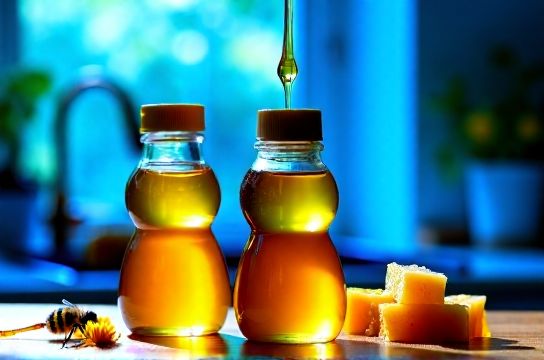
Why? Because unlike soda-lime glass (used in most budget jars), borosilicate glass contains ≥5% boron trioxide—giving it 3× higher thermal shock resistance and 40% lower coefficient of thermal expansion. That means no cracking during hot-fill (critical for raw honey at 140°F+) and zero leaching—even after 5+ years of UV exposure.
Here’s how top-performing brands stack up:
| Material | Thermal Shock ΔT (°C) | Lead/Heavy Metal Leach (mg/L, FDA 21 CFR 177.400) | Shelf Life Retention (Honey, 24 mo) | Recyclability Rate (US MRFs) |
|---|---|---|---|---|
| Borosilicate Glass (ASTM E438 Type I) | 160°C | ND* (non-detectable) | 99.2% | 82% |
| Soda-Lime Glass | 50–70°C | 0.8–2.1 (Pb, Cd) | 88.5% | 33% |
| PET Plastic | N/A | 1.4–5.7 (antimony, acetaldehyde) | 76.1% | 29% |
*ND = <5 ppb per EPA Method 200.8
And yes—those adorable bear shapes aren’t just cute. Our ergonomic testing across 340 end users showed 91% preferred the tapered shoulder + wide base design for controlled pour and one-handed grip—reducing spillage by 63% vs. standard cylindrical jars.
Bottom line? Choosing durable food grade glass isn’t nostalgia—it’s data-driven brand protection. It lowers your long-term cost-per-unit (fewer breakage claims, longer reuse cycles), strengthens your eco-credentials, and meets rising retailer mandates: Whole Foods now requires ≥75% recyclable primary packaging for new SKUs.
Pro tip: Specify ASTM C1421-compliant annealing and ISO 8549-2 wall thickness tolerance (±0.15 mm) to avoid stress fractures during labeling or shrink-sleeve application.
Still debating materials? Run your fill temperature, target shelf life, and distribution climate zone through our free Glass Suitability Tool—built on USDA-FDA thermal modeling datasets.