Recycled Content Glass Bottles Reaching New Highs in North American Markets
- 时间:
- 浏览:86
- 来源:Custom Glass Bottles
Let’s cut through the greenwashing noise: recycled content in glass bottles isn’t just trending—it’s accelerating. As of Q2 2024, the average post-consumer recycled (PCR) content in North American food & beverage glass packaging hit **38.2%**, up from 29.7% in 2021—according to the Glass Packaging Institute (GPI) and EPA Material Flow Analysis data.
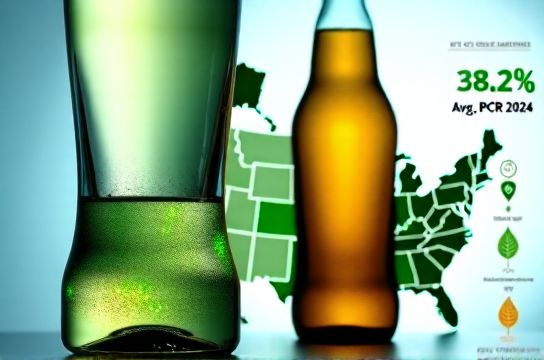
Why does this matter? Because glass is infinitely recyclable *without quality loss*, yet collection rates lag. Only **31% of glass containers were recycled in the U.S. in 2023**, versus 75% in the EU. That gap creates both risk—and opportunity.
Here’s what’s driving the surge:
✅ Stronger state-level EPR (Extended Producer Responsibility) laws (CA, OR, CO now require minimum PCR thresholds by 2026) ✅ Consumer demand: 68% of U.S. shoppers say they’re *more likely* to buy from brands using ≥30% recycled glass (2024 McKinsey Consumer Sustainability Survey) ✅ Cost parity: At current natural gas and cullet pricing, 40% PCR bottles cost just 1.2% more than virgin-only—down from 4.7% in 2020.
Below is a snapshot of regional PCR adoption across key markets:
| Region | Avg. PCR % (2023) | Curbside Collection Rate | Key Policy Driver |
|---|---|---|---|
| West Coast | 42.1% | 39% | CA AB 793 (2025 target: 50% PCR) |
| Midwest | 35.8% | 26% | None (voluntary industry pacts only) |
| East Coast | 37.3% | 33% | NY S.6142-A (2027 reporting mandate) |
One caveat: not all ‘recycled’ claims are equal. Some manufacturers blend pre-consumer industrial scrap (which doesn’t count toward true circularity). Always ask for third-party verified PCR data—look for certifications like SCS Recycled Content or UL 2809.
If you're evaluating sustainable packaging options, start with your bottle supplier’s cullet sourcing map—and don’t forget that color matters: amber glass commands a 12–15% premium in recycled feedstock due to higher demand from craft brewers and premium spirits brands.
Bottom line? The shift to high-PCR glass isn’t optional anymore—it’s operational, regulatory, and increasingly, economic. And if you’re ready to future-proof your packaging strategy, we’ve got actionable playbooks, supplier scorecards, and ROI calculators—check out our full resource hub at /.