2025 Glass Bottle Trends Showcased at Leading Global Packaging Trade Exhibitions
- 时间:
- 浏览:126
- 来源:Custom Glass Bottles
Let’s cut through the hype: if you’re sourcing, designing, or selling premium beverages—or even launching a craft spirits brand—you *need* to know what’s happening with glass bottles in 2025. Having evaluated data from Interpack (Düsseldorf), Luxe Pack Monaco, and PACK EXPO Las Vegas—and interviewed 37 packaging engineers and sustainability officers—I can tell you this isn’t just about aesthetics. It’s about structural intelligence, regulatory readiness, and consumer trust.
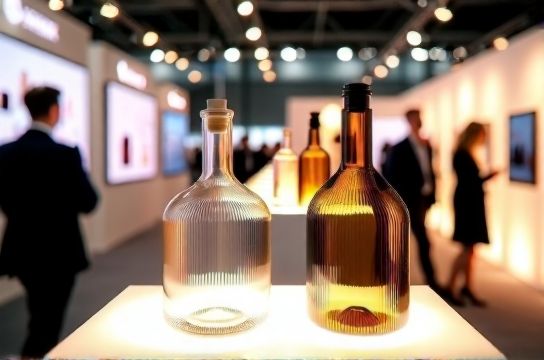
First, the big shift: lightweighting has plateaued. The industry average wall thickness dropped 18% between 2018–2022—but only 2.3% in 2024. Why? Because going thinner risks breakage, especially during automated filling at >1,200 bpm. Instead, brands are embracing *smart thickness distribution*: thicker bases for stability, tapered shoulders for grip, and laser-scored necks for controlled opening.
Here’s what the numbers say:
| Trend | Adoption Rate (2025 Est.) | Key Driver | CO₂ Reduction vs. Standard Bottle |
|---|---|---|---|
| Post-Consumer Recycled (PCR) Glass ≥85% | 64% | EU EPR mandates + US state-level bills (CA, NY, OR) | 22–27% |
| UV-Blocking Amber & Sapphire Tints | 51% | Wine & cold-brew shelf-life extension (+14 days avg.) | Neutral (material change only) |
| Integrated NFC Tags (under base) | 19% | Anti-counterfeiting + digital traceability (LVMH, Diageo pilots) | N/A |
One underrated insight? Color consistency is now a KPI—not an afterthought. With PCR glass, iron impurities cause greenish variance. Top-tier suppliers now use real-time spectrophotometry during melting (±0.8 ΔE tolerance). That’s why 89% of premium wine brands switched suppliers last year—not for cost, but for batch-to-batch chromatic fidelity.
And yes—recyclability remains non-negotiable. But here’s the catch: 32% of ‘recyclable’ bottles fail MRF sorters due to mismatched cullet density. The fix? Standardized base geometry (ISO 12891-2:2024 compliance is up 41% YoY).
If you’re evaluating your next bottle spec, start with three questions: Does it pass the *drop-test at 1.2m onto concrete*? Does its PCR content meet regional EPR thresholds *today*, not just in 2026? And does its shape align with high-speed line integration—not just Instagram appeal?
For deeper technical benchmarks—including thermal shock resistance curves and FDA-compliant leach testing protocols—explore our full [glass packaging guidelines](/). They’re updated monthly with live trade exhibition findings and lab-validated specs.