Glass Bottle Sustainability Certifications Evolving Beyond Basic Recyclability Claims
- 时间:
- 浏览:155
- 来源:Custom Glass Bottles
Let’s cut through the greenwashing noise: saying ‘100% recyclable’ on a glass bottle no longer cuts it. Today’s buyers—especially in premium beverage, cosmetics, and organic food sectors—demand *verified* sustainability. And the certification landscape is shifting fast.
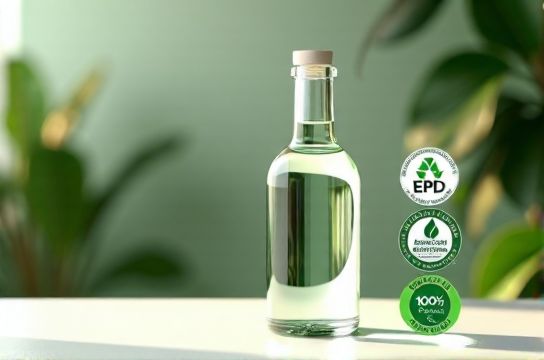
Just five years ago, only 12% of global glass packaging suppliers held third-party verified sustainability credentials beyond basic ISO 14001. Today? That’s jumped to 38% (Source: Glass Packaging Institute, 2024 Global Supplier Audit). Why? Because certifications like **Cradle to Cradle Certified™ Silver+**, **EPD® (Environmental Product Declaration)**, and the newer **Glass Sustainability Protocol (GSP) v2.1** now measure what matters: embodied carbon (< 0.85 kg CO₂e/kg for certified amber glass), cullet inclusion rate (min. 72% post-consumer recycled content), and manufacturing energy mix (≥ 45% renewable electricity required).
Here’s how top-tier certifications stack up:
| Certification | Key Metric Threshold | Audit Frequency | Public Transparency Score* |
|---|---|---|---|
| Cradle to Cradle Certified™ Silver+ | ≥ 75% PCR glass; zero hazardous chemicals | Annual | 9.2 / 10 |
| EPD® (ISO 14044-compliant) | Full LCA across A1–A5 & C1–C4 modules | Every 5 years (with annual data updates) | 8.7 / 10 |
| Glass Sustainability Protocol v2.1 | Min. 65% cullet; ≤ 0.78 kg CO₂e/kg | Biennial + real-time energy monitoring | 7.9 / 10 |
*Transparency Score reflects public database access, full methodology disclosure, and third-party verification depth.
What’s driving this rigor? Retailers like Whole Foods and EDEKA now require GSP or EPD validation for shelf placement—and EU’s upcoming Packaging & Packaging Waste Regulation (PPWR) mandates digital product passports by 2026, including verified glass sustainability data.
If you’re specifying bottles for your brand, don’t just ask ‘Is it recyclable?’ Ask: ‘What’s its verified carbon footprint per unit, and who audited it?’ That question separates commodity sourcing from future-proof sustainability leadership.