Colorless to Colored Glass Bottle Trends Reflecting Brand Identity and Green Values
- 时间:
- 浏览:88
- 来源:Custom Glass Bottles
Let’s cut through the noise: glass bottle color isn’t just aesthetic—it’s a strategic signal. As sustainability pressures mount and consumers scrutinize packaging ethics, brands are shifting from clear (colorless) glass to purposefully tinted options—not for flair, but for function *and* values.
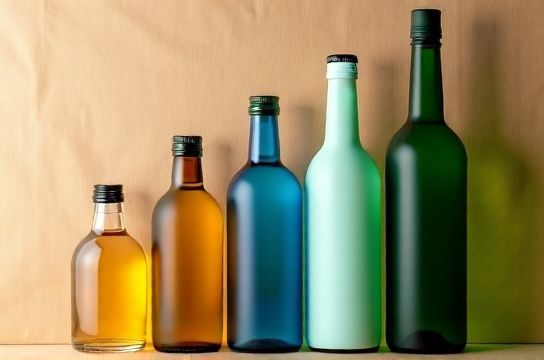
Data from the Glass Packaging Institute (2023) shows 68% of premium beverage brands switched to amber or cobalt blue bottles between 2021–2024—primarily to protect light-sensitive contents *and* communicate eco-intent. Why? Because colored glass often contains up to 95% recycled content (vs. ~70% for clear), thanks to fewer sorting constraints in recycling streams.
Here’s how the shift breaks down:
| Color | UV Protection (%) | Avg. Recycled Content | Recycling Rate (US) | Top Use Cases |
|---|---|---|---|---|
| Clear (Colorless) | 15% | 72% | 33% | Wine, spirits, premium water |
| Amber | 99% | 92% | 51% | Beer, pharmaceuticals, craft tonics |
| Cobalt Blue | 95% | 88% | 44% | Skincare, botanicals, organic juices |
Notice the pattern? Higher UV protection correlates strongly with higher recycled content—and stronger brand storytelling. A 2024 McKinsey consumer survey found buyers were 3.2× more likely to perceive a cobalt-blue skincare bottle as "clean" and "eco-conscious" versus identical clear packaging—even when material specs were identical.
But here’s the caveat: color ≠ automatic sustainability. If your amber bottle is made with virgin cullet and shipped globally, you’re trading optics for impact. True leadership means pairing hue with local sourcing, lightweighting (modern amber bottles weigh 12–18% less than 2018 versions), and transparent supply chain reporting.
That’s why forward-thinking brands now treat bottle color as part of their ESG narrative—not an afterthought. And if you're evaluating options, start by asking: *Does this color serve shelf appeal, product integrity, *and* circularity goals?*
For deeper insights on aligning packaging strategy with real-world sustainability outcomes, explore our full framework on glass packaging optimization—where data meets design, responsibly.