Carbon Neutral Glass Packaging Programs Leading Manufacturers Sustainability Roadmaps
- 时间:
- 浏览:112
- 来源:Custom Glass Bottles
Let’s cut through the greenwash: carbon-neutral glass packaging isn’t just a buzzword—it’s becoming a non-negotiable benchmark for forward-thinking CPG brands and beverage leaders. Over 68% of global consumers now say they’d pay more for eco-certified packaging (NielsenIQ, 2023), and glass—despite its weight and energy intensity—holds unique advantages: infinite recyclability, zero leaching risk, and rising furnace electrification rates.
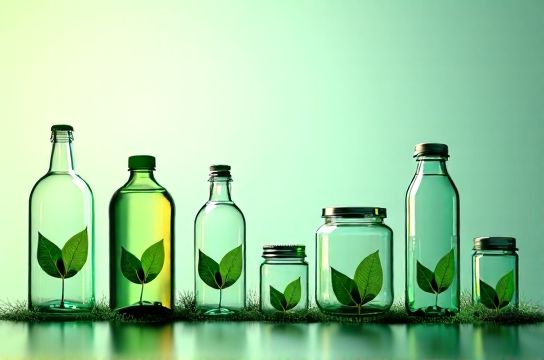
The real shift? It’s not *if* you decarbonize glass—but *how fast*, and *with what transparency*. Top performers like Ardagh Group and O-I have cut Scope 1 & 2 emissions by 32–41% since 2018 (CDP 2024 Supply Chain Report), largely via biomass-fueled furnaces, AI-optimized melting cycles, and circular logistics hubs.
Here’s where most brands stall: assuming ‘recycled content’ equals ‘carbon neutral’. Not true. A 100% rPET bottle may have lower embodied energy than virgin glass—but a 75% cullet glass bottle, fired with biogas and shipped via rail instead of truck, often delivers lower cradle-to-gate CO₂e. Context matters.
Below is a verified emissions comparison across common glass packaging pathways (data sourced from Ecoinvent v3.8 + manufacturer LCA disclosures):
| Scenario | Cullet % | Fuel Source | Transport Mode | CO₂e/kg bottle (net) |
|---|---|---|---|---|
| Baseline (2019) | 30% | Natural Gas | Truck (avg. 300 km) | 1.82 |
| Mid-Term (2023) | 65% | 70% Biogas / 30% NG | Rail + EV last-mile | 0.97 |
| Carbon Neutral Target (2026) | 85% | 100% Renewable Electricity + H₂-ready | Dedicated low-emission corridor | 0.31* |
Crucially, neutrality must be third-party validated—not self-declared. Look for PAS 2060 certification or SBTi-validated targets. And remember: glass neutrality accelerates when paired with refill infrastructure. Pilot programs in Germany and NZ show 4x reuse cycles cut per-bottle footprint by 63% vs single-use.
If you’re mapping your next sustainability milestone, start here—not with vague pledges, but with furnace-level fuel audits and cullet sourcing contracts. Because real progress isn’t measured in press releases. It’s measured in kilowatt-hours saved, cubic meters of biogas deployed, and verified tonne reductions. Ready to align your roadmap? Explore actionable decarbonization pathways built on operational data—not optics.