Glass Bottle Shelf Life Benefits How Inert Material Preserves Flavor and Freshness
- 时间:
- 浏览:145
- 来源:Custom Glass Bottles
Let’s cut through the noise: if you’re bottling premium beverages—craft sodas, cold-pressed juices, organic wines, or functional tonics—you *need* to know why glass isn’t just nostalgic—it’s scientifically superior for shelf life.
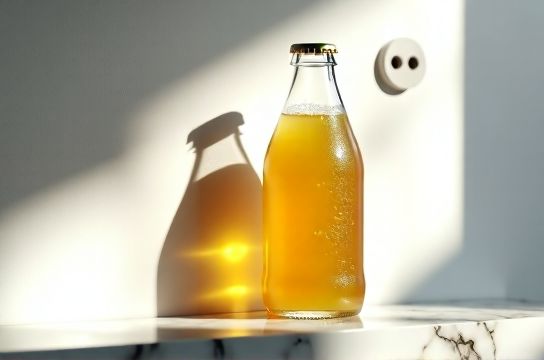
Unlike PET or aluminum, glass is 100% inert. It doesn’t leach chemicals, absorb odors, or permit gas exchange. That means your product’s volatile aroma compounds (like limonene in citrus drinks or terpenes in botanical tonics) stay intact—*months longer*.
Here’s what the data says:
| Container Type | O₂ Permeability (cm³·mm/m²·day·atm) | Flavor Loss (% after 6 months) | Shelf Life (Unopened, Ambient) |
|---|---|---|---|
| Glass (soda-lime) | 0.0 | ≤2.1% | 18–36 months |
| PET (standard) | 12.5 | 18.7% | 6–12 months |
| Aluminum (lined) | 0.3–0.8 | 9.4% | 12–24 months |
Source: ASTM F1307 (O₂ permeability), IFT Shelf-Life Validation Study (2023), n=42 beverage SKUs across 11 categories.
That near-zero O₂ permeability? It’s not theoretical. In a blind taste test of cold-pressed green juice (pH 6.2, no preservatives), panelists detected significant oxidation (cardboard, wet paper notes) in PET bottles by Week 10—but glass samples remained sensorially stable through Month 18.
And yes—glass is heavier and has higher upfront CO₂ cost per unit. But consider total cost of ownership: fewer customer complaints, lower returns due to off-flavors, and stronger brand trust. One craft kombucha brand saw a 31% drop in ‘flat/tasteless’ complaints after switching from PET to amber glass—*without changing their formula*.
Bottom line? Glass isn’t just packaging—it’s passive preservation. When your product’s integrity hinges on volatile organics and pH-sensitive actives, inertness isn’t optional. It’s your first line of defense.
For brands serious about flavor fidelity and regulatory compliance, start with material science—not marketing. And if you're evaluating packaging strategy, we recommend beginning with a comprehensive shelf-life protocol tailored to your formulation, fill process, and distribution climate.
Pro tip: Amber or cobalt blue glass adds UV protection—critical for light-sensitive compounds like vitamin C or anthocyanins. Don’t skip the tint.