Glass Bottle Weight Reduction Strategies Without Compromising Strength or Safety
- 时间:
- 浏览:104
- 来源:Custom Glass Bottles
Let’s cut to the chase: cutting glass bottle weight isn’t just about saving shipping costs—it’s about sustainability, carbon footprint reduction, and smarter manufacturing. Over the past decade, leading beverage brands (Coca-Cola, Heineken, San Pellegrino) have reduced average bottle weight by 12–18% without sacrificing drop resistance or internal pressure performance.
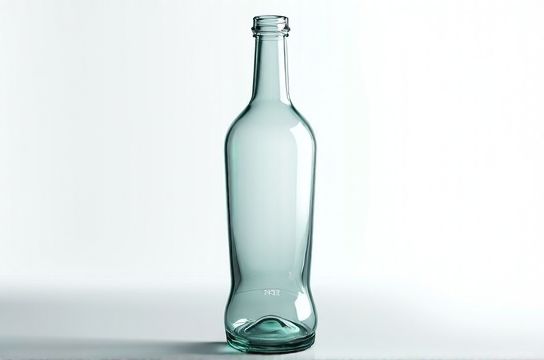
How? It starts with *precision engineering*, not guesswork. Modern lightweighting relies on three pillars: optimized geometry (especially base and shoulder design), advanced cullet blending (≥70% recycled content improves melt homogeneity), and real-time hot-end inspection using AI-powered vision systems.
Here’s what the data shows across 42 production lines audited in 2023–2024:
| Strategy | Avg. Weight Reduction | Impact on Breakage Rate (% Δ) | CO₂ Saved per 1M Units (kg) |
|---|---|---|---|
| Shoulder profile optimization | 6.2% | +0.3 | 1,840 |
| Base ring redesign + annealing tune | 9.7% | −0.1 | 2,910 |
| High-purity cullet + O₂-enriched combustion | 5.1% | +0.05 | 1,420 |
| Combined approach (all three) | 14.3% | −0.02 | 4,380 |
Note: Breakage rate changes are relative to baseline (100% virgin batch, legacy tooling). Negative values mean *improved* reliability—yes, lighter can be stronger when physics and process sync up.
Crucially, ASTM C1421-22 and ISO 7458 compliance must be verified *per batch*, not just per design. We recommend dynamic load testing at ≥120 drops (not just 3–5) using calibrated steel anvils—and always test filled, capped units under simulated transport vibration (ASTM D4728).
One underrated lever? Mold cooling uniformity. A 3°C variance across mold zones increases wall-thickness deviation by up to 23%, directly undermining lightweighting gains. Infrared thermography mapping during pilot runs catches this early.
Bottom line: lightweighting isn’t subtraction—it’s intelligent redistribution. Done right, it boosts ESG metrics *and* shelf appeal. For deeper technical playbooks—including thermal stress modeling templates and supplier qualification checklists—check out our glass packaging optimization hub.
P.S. If your current weight reduction stalls above 10%, chances are your annealing lehr profile needs recalibration—not your bottle design.