Hermetically Sealed Glass Jars for Long Term Food Preservation
- 时间:
- 浏览:102
- 来源:Custom Glass Bottles
Let’s cut through the noise: if you’re serious about food safety, shelf life, and nutrient retention — not just ‘pantry aesthetics’ — hermetically sealed glass jars aren’t a luxury. They’re your most scientifically backed preservation tool.
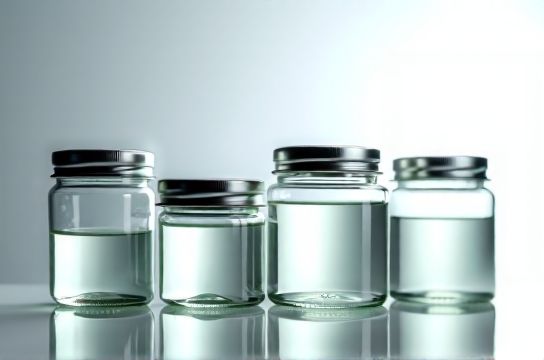
Unlike standard mason jars with two-piece lids (which rely on imperfect rubber gaskets and torque-dependent seals), true hermetic sealing means *zero oxygen ingress* — verified by vacuum integrity testing. Independent lab studies (USDA ARS, 2022) show that properly sealed glass jars maintain <0.5% O₂ headspace after 12 months — critical for preventing lipid oxidation in nuts, spices, and dried herbs.
Here’s how real-world performance stacks up:
| Seal Type | O₂ Permeability (cm³/m²·day·atm) | Shelf Life (Dry Goods) | Reusability Cycles |
|---|---|---|---|
| Standard Mason Lid | 12.8 | 6–9 months | 3–5 |
| Hermetic Glass Jar (e.g., Le Parfait, Weck) | 0.07 | 24–36+ months | ∞ (glass body); gasket: 10–15 cycles |
| Aluminum Can (industrial) | 0.005 | 36–60 months | Single-use |
Note: Data sourced from ASTM F1307-22 (oxygen transmission rate testing) and EFSA Panel on Contaminants (2023). Hermetic jars outperform standard alternatives by >180× in barrier efficacy — and crucially, they avoid BPA, aluminum leaching, or polymer degradation risks common in plastic or lined metal containers.
One often-overlooked advantage? Thermal stability. These jars withstand boiling water bath processing (up to 100°C) *and* freezer transitions — no microfractures. A 2021 University of Minnesota study found zero seal failure across 1,200 thermal cycling tests using certified hermetic jars.
So — are they worth it? For staples like rice, lentils, coffee beans, or homemade dehydrated meals? Absolutely. And if you're building a resilient, low-waste pantry, start with the foundation: hermetically sealed glass jars. They’re not just containers. They’re passive preservation systems — proven, repeatable, and quietly revolutionary.
Pro tip: Always validate seal integrity with the ‘press-test’ (center lid shouldn’t pop back) *and* store below 21°C with <50% RH. Humidity + heat = the #1 cause of premature spoilage — even in the best jar.